Jakarta: Six months ago, Indonesia, Southeast Asia’s largest country, launched an initiative to tackle child malnutrition. The government decided to provide free meals to school-going children. This programme is part of President Prabowo Subianto’s vision to transform Indonesia into a “golden nation” over the next 20 years. The plan aims to make Indonesia a high-income country as it approaches its centenary of independence.
The president believes ending child malnutrition is essential for strengthening the economy. But reaching 80 million children spread across nearly 700 islands is not only expensive and difficult but has also become controversial.
Child Malnutrition In Indonesia
Add Zee News as a Preferred Source

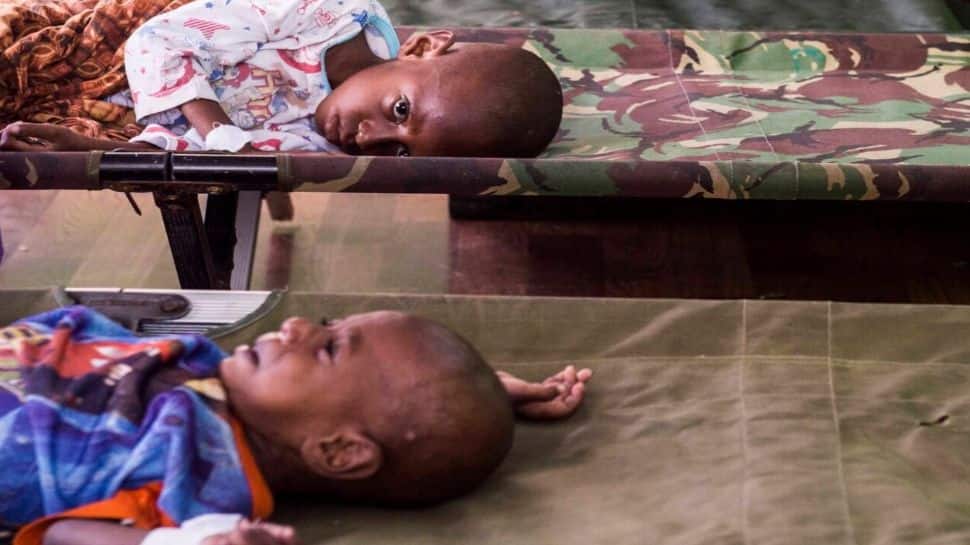
Malnutrition among children is a serious problem here. One in every five children is shorter than normal for their age. One in 14 is extremely thin, which threatens their future growth and increases the risk of illness.
There are many difficulties in addressing this problem. Indonesia’s huge population, cultural diversity and lack of education all complicate the issue.
Many remote areas lack proper roads, making it hard to deliver aid. The population of 285 million faces wide economic inequality. About 60.3% of people, or over 172 million, live below the poverty line, mostly in far-flung, underdeveloped regions.
Safe drinking water is another urgent need. A 2022 UNICEF study found that 70% of Indonesian homes’ drinking water contained sewage contaminants.
Lack of education worsens the problem. Poverty prevents many from accessing nutritious food. Lack of awareness about clean water and hygiene also plays a big role.
Many parents do not know what a nutritious diet looks like for children. Some kids are raised by grandparents or relatives because their parents migrate for work.
Solving child malnutrition is critical for Indonesia’s development. The free school meal programme is a key step, as malnourished children cannot study well, which affects the country’s future human capital.
President Prabowo’s Vision
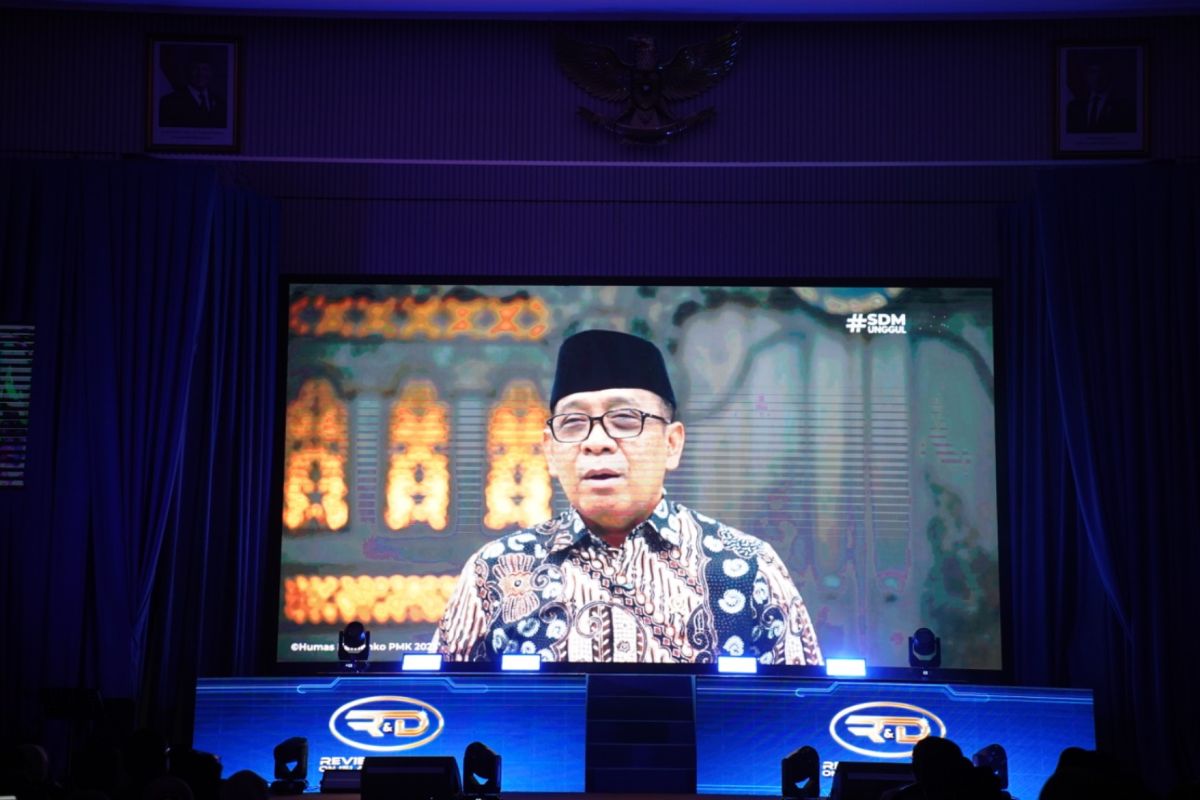
Before becoming president in 2024, Subianto, a former army general with a controversial past, promised economic growth, increased foreign investment and an end to child poverty and malnutrition.
During his campaign, he pledged free meals three times a day and five days a week, to young mothers and children, along with economic aid for the poor. He also emphasised self-reliance in food and energy.
The programme requires about 10% of the national budget. Despite aiming to feed over 80 million people, so far only 5 million receive free meals.
Lessons From India’s Mid-Day Meal
Questions arise whether this is the right way to solve the problem. Infrastructure gaps limit the program’s reach. There are doubts if there are enough skilled cooks to prepare such vast quantities of food safely.
Some children have suffered food poisoning. President Prabowo wanted quick results in his first year, so the plan was rushed without adequate attention to key details.
Is the large population and political system making implementation harder? Lack of transparency clouds the programme. The public does not understand why the problem persists. The president may also be using the programme to boost his image as a problem-solver.
India offers an example of a successful free meal programme. In 2001, India’s Supreme Court declared cooked nutritious meals a constitutional right for all children in government schools. This mid-day meal scheme started in states like Tamil Nadu and Kerala as pilot projects.
Before the programme was launched, many girls were not sent to school for cultural reasons. The free meals motivated families to send their daughters, improving literacy and education levels.
Another major challenge was building enough schools and kitchens to prepare meals, which required significant investment. Over time, attendance and education quality improved. Children’s health and physical development benefited, positively impacting future generations.
Better nutrition leads to increased productivity and skills, boosting the economy. However, these benefits take time and face hurdles.
Protests, Budget Cuts
Despite the ambition, public reaction in Indonesia has been mixed. To fund the free meal programme, President Prabowo cut public spending by 8% in January, hitting education budgets hard.
Thousands of students protested across the country, naming their movement ‘Black Indonesia’ as a critique of the government’s so-called ‘Golden Indonesia’ plan.
Students feel the programme does not address real educational needs. Local governments and unemployed people oppose it, worried that budget cuts reduce jobs and harm local economies.
Rice Prices, Local Economy Challenges
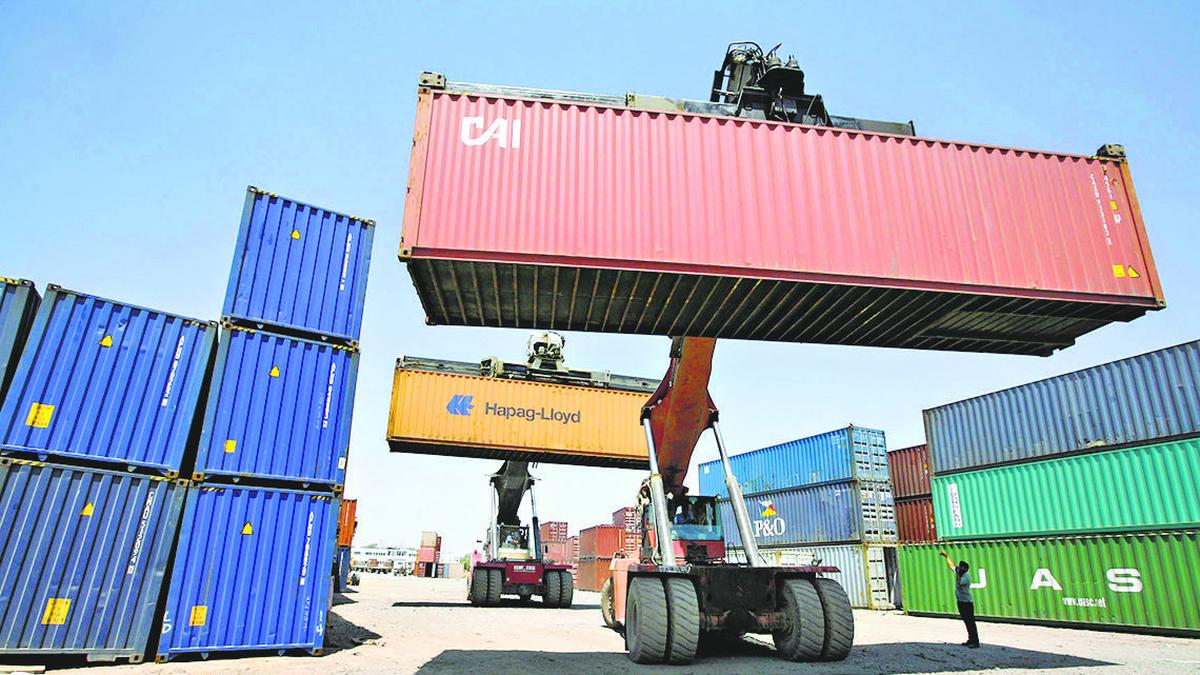
Rice is a staple in Indonesia but despite being a major producer, the country imports large quantities. Floods and climate change threaten production, making rice prices volatile.
Free meal plans should focus more on local grains to support farmers and match the food children eat at home.
Small businesses oppose the programme because meals are prepared by the military, which sources chicken from large poultry farms, sidelining local vendors. This also clashes with promises to create more local jobs.
The military’s role is controversial, especially after reports of 40 children falling ill in Java after having fried chicken made in army barracks.
Can This Plan End Malnutrition?
If funding does not increase by next year, further budget cuts will be necessary, harming the economy.
Family incomes should be raised so that parents can provide nutritious food themselves.
Indonesia’s free meal programme is a bold and politically driven effort facing many challenges. Critics point to cuts in education and essential services to pay for it.
Children’s health is vital for the nation’s future. Whether Indonesia can sustain and scale this ambitious scheme depends on how effectively the government addresses these problems.