Last Updated:
The new UN report has reshaped the list of the world’s top 10 most populous cities. Notably, nine of the 10 are in Asia

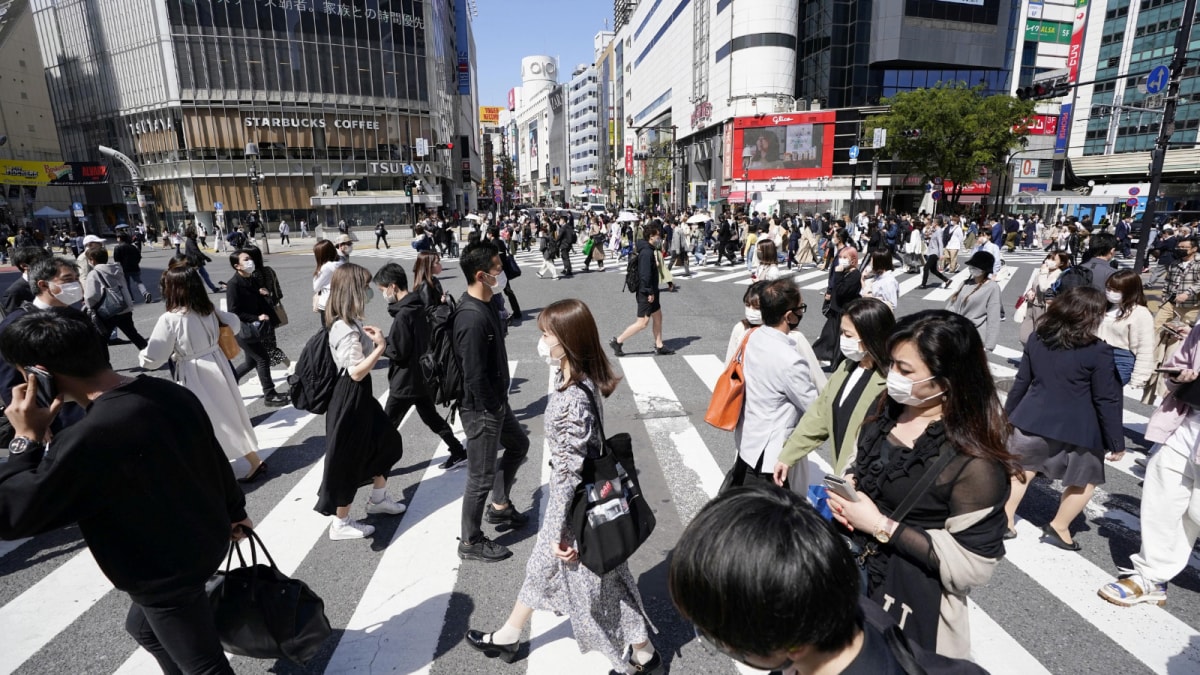
Cities like Tokyo are shrinking due to ageing populations and falling birth rates. (Reuters/Photo)
The global population is growing rapidly. In some cities, more than 10,000 people live within just one square kilometre. For decades, when people spoke about the world’s most populous city, one name dominated the conversation — Tokyo, Japan. But that is no longer the case.
Jakarta, Indonesia, has now become the world’s most populous city, displacing Tokyo after decades at the top. According to the United Nations’ latest report, World Urbanization Prospects 2025, Jakarta is now home to around 42 million people.
Delhi’s population is estimated to be close to 30 million, but since India has not conducted a census since 2011, the exact figure remains uncertain.
How did Jakarta take the top spot?
Japan is facing a declining population due to low birth rates, but Jakarta’s rise is not solely because of rapid population growth. Instead, changes in how the UN measures urban populations have played a major role.
The UN Department of Economic and Social Affairs (DESA) has revised its methodology. Earlier, population counts were limited to official municipal boundaries. Now, satellite towns, suburbs, and economically connected informal settlements are also included. In Jakarta’s case, this means millions of people living in surrounding areas — but dependent on the city for work and livelihood — are now part of the official count.
Migration and economic opportunity have also contributed. Since 2000, Jakarta’s population has grown by about 2% annually, as people from across Indonesia move to the capital in search of jobs and better living conditions.
Where does Delhi stand?
The new UN report has reshaped the list of the world’s top 10 most populous cities. Notably, nine of the 10 are in Asia — a clear sign that the global centre of population growth has shifted eastward.
According to the UN’s 2025 data, the world’s largest cities are:
- Jakarta, Indonesia – 42 million
- Dhaka, Bangladesh – 36–40 million (estimated)
- Tokyo, Japan – 33 million (declining population)
- Shanghai, China – over 29 million
- Delhi, India – about 28 million (some estimates place it second or fourth)
- Guangzhou, China – just under 27 million
- Cairo, Egypt – 23 million (the only non-Asian city in the top 10)
- Mumbai, India – over 22 million
- Beijing, China – 21 million
- Manila, Philippines – 20 million
A growing crisis beneath the numbers
Jakarta’s rise to the top is both impressive and alarming. The city is one of the fastest-sinking urban areas in the world. Excessive groundwater extraction and rising sea levels have caused parts of northern Jakarta to sink by up to 25 centimetres each year. Nearly 40% of the city now lies below sea level.
Because of these challenges, Indonesia has decided to move its capital from Jakarta to Nusantara, located on the island of Borneo. The shift serves as a stark warning about the consequences of unplanned and uncontrolled urbanisation.
Dhaka, currently second on the list, is also on a rapid growth trajectory and is expected to become the world’s most populous city by 2050.
In contrast, cities like Tokyo are shrinking due to ageing populations and falling birth rates. This highlights a growing global divide — explosive population growth in developing countries versus stagnation or decline in developed ones.
India, which recently overtook China as the world’s most populous country, sits firmly within this trend. While India’s population continues to grow, China, like Japan, is grappling with low birth rates and has begun offering incentives to encourage young couples to have children in an effort to manage its ageing population.
December 30, 2025, 09:29 IST
Read More

 "India Missed Out, See Where China And Pakistan Stand")