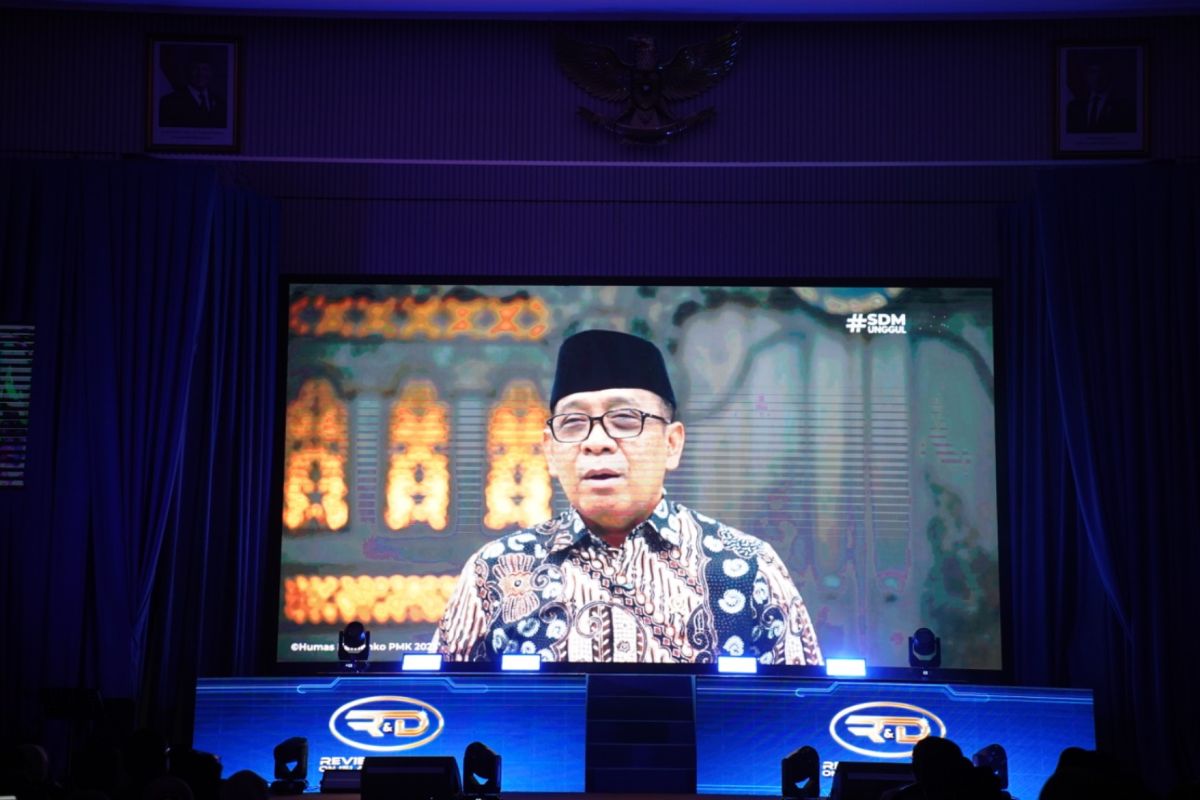
“Islam must assert its presence by taking clear positions in the face of these challenges, and Islamic education is the key driver of that process,” Pratikno said at a Review and Design on Islamic Education forum hosted by the Religious Affairs Ministry in Jakarta.
He said the world is entering an era defined by volatility, uncertainty, complexity and ambiguity, marked by fast-paced change, widespread disinformation and a growing gap between technological progress and human values.
Against that backdrop, Pratikno urged educators, scholars and policymakers to draw inspiration from the Islamic Golden Age, when science, research, knowledge and the arts were seen as long-term investments in civilization rather than isolated pursuits.
He stressed that Muslim scholars of that period did more than absorb ideas from Greek, Persian and Indian traditions, noting they made foundational contributions to modern science.
As an example, he cited the concepts of algorithm and algebra, which he said were developed by the ninth-century scholar Al-Khwarizmi and remain central to modern mathematics and computing.
“That era did not recognize a separation between knowledge and values, science and spirituality, or innovation and ethics,” Pratikno said, adding that such integration is increasingly relevant today.
Related news: Prabowo has signed decree on building 10 new Islamic universities
He said Islamic education, together with the ethical principles it promotes, could offer moral guidance for current and future challenges, including deepfake technology, biased artificial intelligence systems and surveillance capitalism.
Rather than remaining static, Islamic education should evolve into a dynamic intellectual framework capable of helping shape a just, ethical and sustainable future, he added.
Religious Affairs Minister Nasaruddin Umar echoed those remarks, saying religion and human progress should reinforce, not undermine, each other.
“Religion should never restrict creativity. It functions as a moral compass that guides people to be creative, civilized and responsible,” Nasaruddin said.
He called for education curricula that emphasize compassion, mutual respect and care for the environment, saying such values are essential for navigating technological change without losing humanity.
Related news: Ninety-eight Islamic studies teachers deployed for Sekolah Rakyat
Translator: Asep F, Tegar Nurfitra
Editor: Rahmad Nasution
Copyright © ANTARA 2025