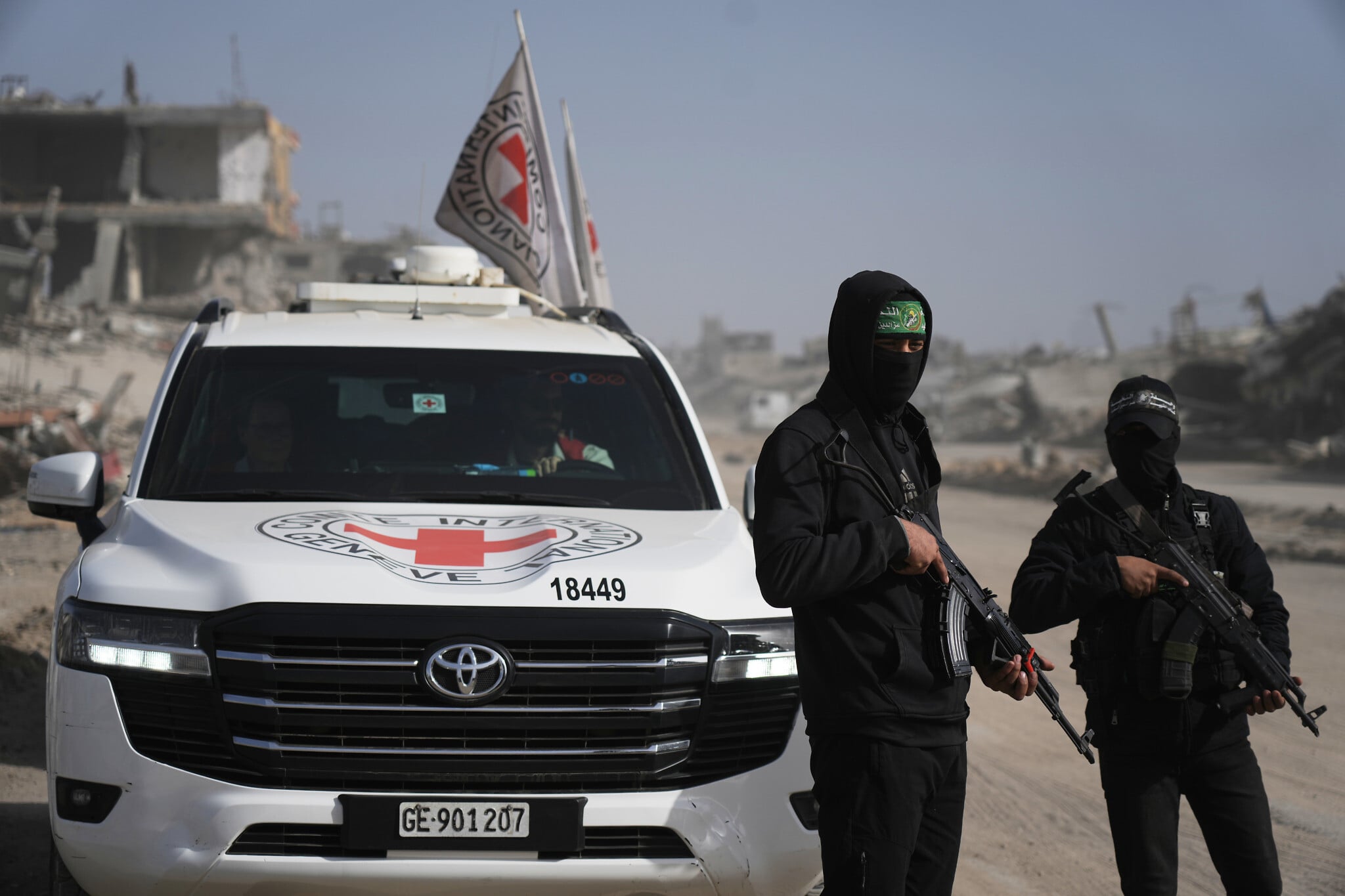
Israel’s defense establishment believes that Hamas is increasingly motivated to rebuild and recover from the heavy losses inflicted upon it throughout the last two years of war, encouraged in part by US President Donald Trump’s plan for the Gaza Strip, Hebrew language media reported Sunday, citing unnamed security sources.
At the same time as it rebuilds, the Palestinian terror group will be looking to attack Israel Defense Forces soldiers on the Israeli-controlled side of the Yellow Line, the reports said.
The assessment, reportedly delivered in closed-door briefings to Israel’s political echelon, came days after the Trump administration announced the start of phase two of its plan for ending the Gaza war, which envisions the establishment of a series of panels tasked with governing the Strip in place of Hamas.
Rather than seeing Washington’s plans as a threat to its future, Hamas has “welcomed” them, the security sources said, as the terror group is hoping to model Gaza after Lebanon, where the Hezbollah terror group wields significant power, and the government is weak and unable to bring it in line.
A November 2024 ceasefire agreement between Israel and Lebanon mandated that Hezbollah be disarmed, but the Iran-backed group has insisted that it will not agree to do so, and Israel has accused it of attempting to rebuild in southern Lebanon.
The current assessment in Israel is that Hamas, like Hezbollah, will continue to stall for time and delay giving up its weapons, and that, although disarmament is a key term of the US-brokered ceasefire, the delay will not prevent the reconstruction of the war-torn Gaza Strip from moving ahead.
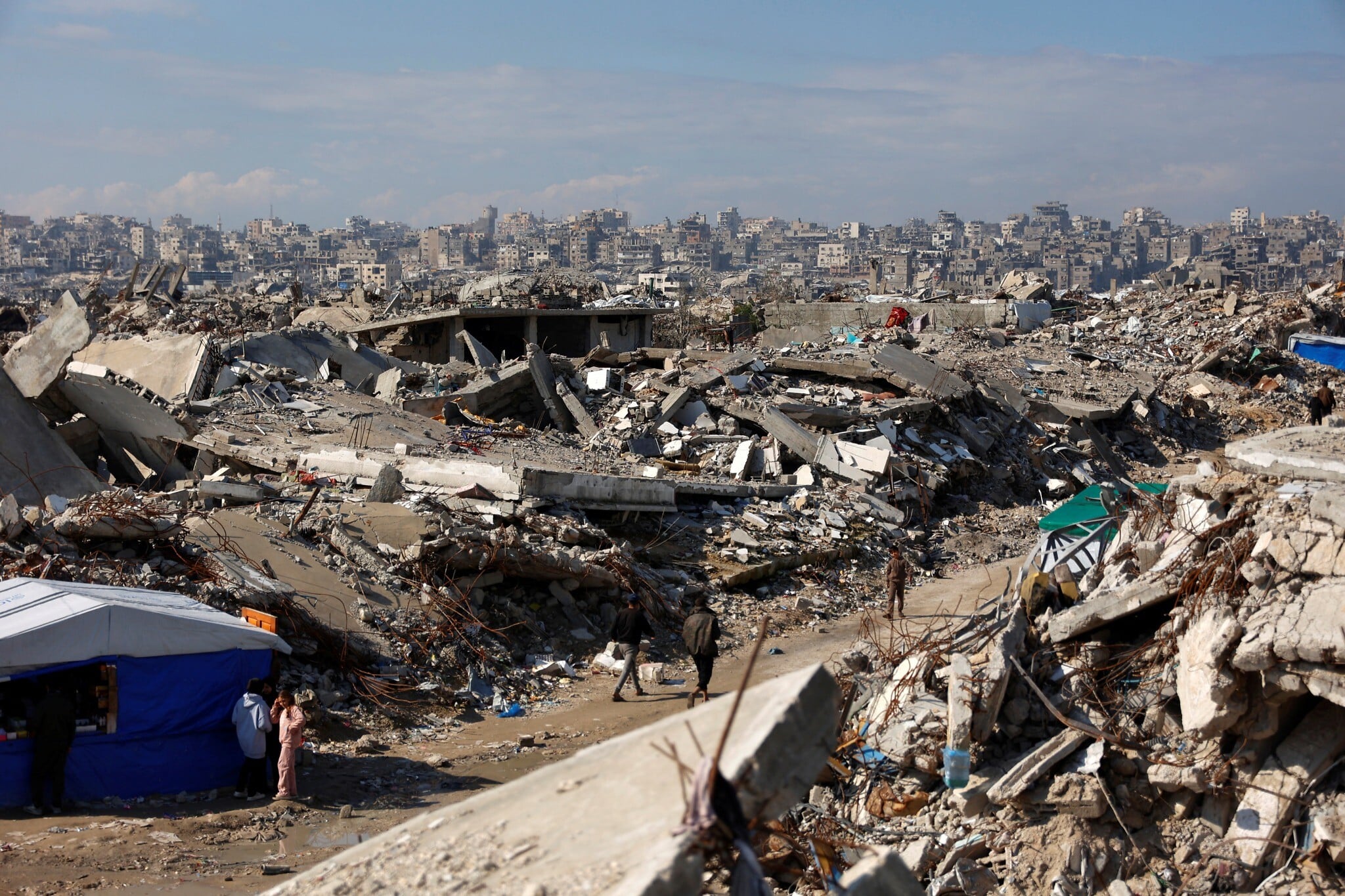
Hamas, according to officials quoted by Channel 12, “will do everything it can to drag out the process and exhaust all parties, while reconstruction on the ground begins in practice.”
The Palestinian terror group’s thinking has been shaped in no small part by Washington’s decision to include both Turkey and Qatar in the post-war management of the Gaza Strip, the security sources said.
“The inclusion of Turkey and Qatar in the Executive Board instills in [Hamas] long-term hope and short-term courage,” the officials said.
The Gaza Executive Board is the operational arm of the UN-mandated and largely ceremonial Board of Peace and is tasked with overseeing the postwar management of Gaza.
Among those sitting on the board are Turkish Foreign Minister Hakan Fidan and senior Qatari diplomat Ali Thawadi.
Israel has expressed opposition to the inclusion of representatives from Turkey and Qatar, both of which are sympathetic to Hamas and are hosts to senior members of the terror group.
Trump, by contrast, has touted his personal relationships with the leaders of the two countries and has credited them with pressuring Hamas to accept the ceasefire with Israel in October.
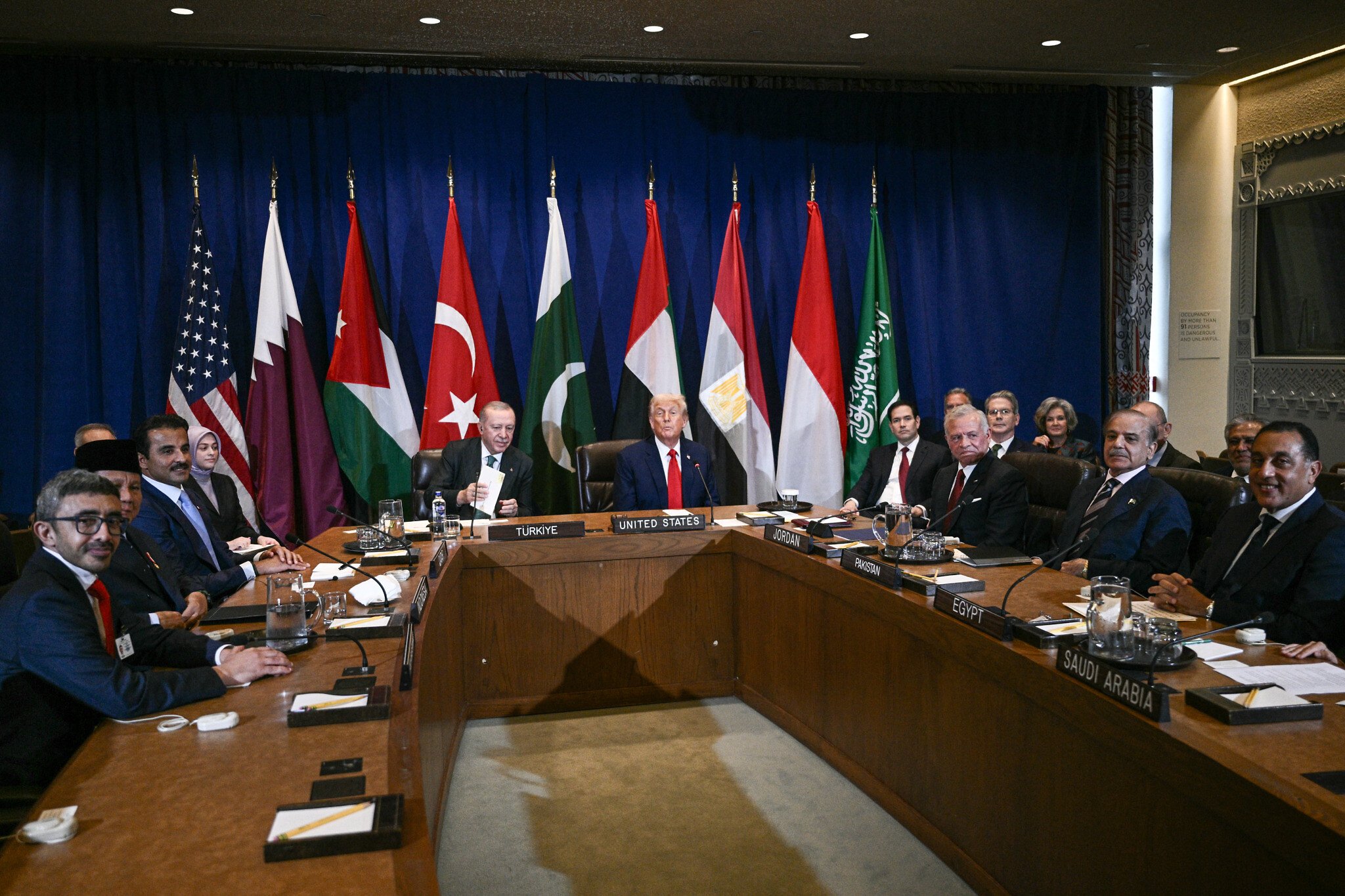
But now, their inclusion on the executive board could eventually “undermine the IDF’s achievements in the war,” the security sources warned.
On Saturday, after the board’s makeup was unveiled by the US, Prime Minister Benjamin Netanyahu made a rare break with Washington, announcing that it was not coordinated with Israel in advance and “contradicts its policy” regarding post-war Gaza.
Netanyahu’s office said that Foreign Minister Gideon Sa’ar had been instructed to raise the issue with his American counterpart, Secretary of State Marco Rubio. On Sunday, the premier then convened several meetings with his war cabinet, the full government cabinet, and the party chairs in his coalition.
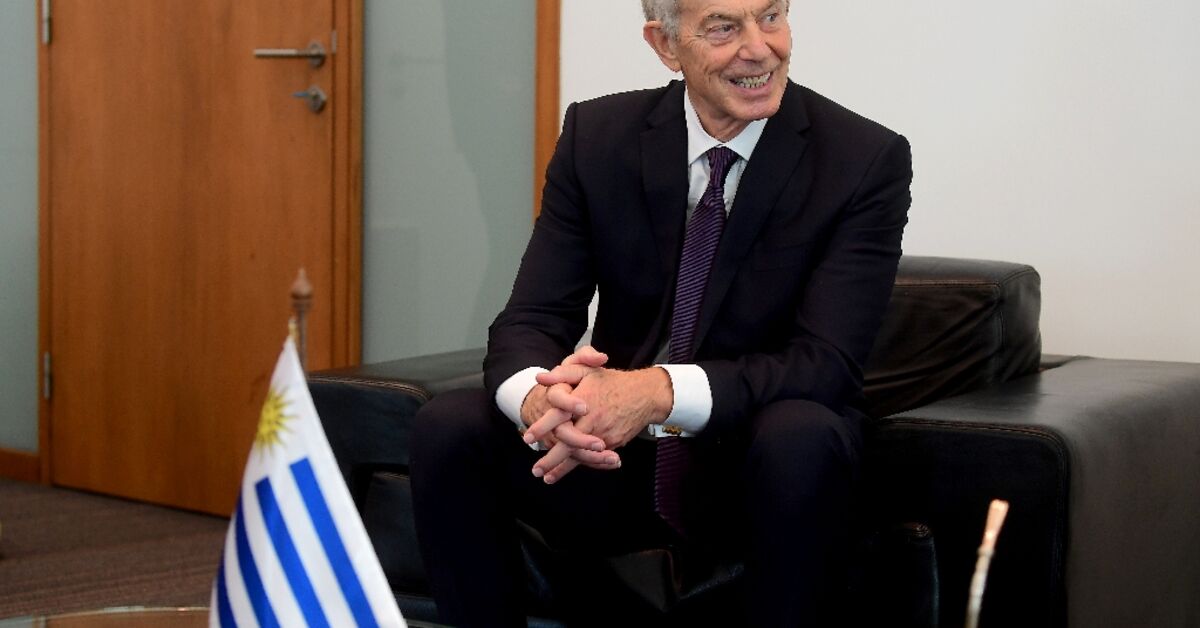
Joining the Qatari and Turkish representatives on the Gaza Executive Board are Egyptian intelligence chief Hassan Rashad, UAE International Cooperation Minister Reem Al-Hashimy, former UK prime minister Tony Blair, US special envoy Steve Witkoff, top Trump aide Jared Kushner, Apollo Global Management CEO Marc Rowan, Israeli-Cypriot businessman Yakir Gabay, former UN humanitarian coordinator Sigrid Kaag, and former UN envoy to the Mideast Nickolay Mladenov.
Mladenov has also been named high representative for Gaza and will be the executive board’s on-the-ground liaison to the new Palestinian technocratic government.
Nava Freiberg contributed to this report.