US President Donald Trump’s administration is aiming to announce the transition to the second phase of its Gaza peace plan in about two weeks, as Washington aims to maintain a fragile ceasefire it brokered between Israel and Hamas nearly two months ago.
Phase two pertains to the establishment of governance and security mechanisms that will be responsible for administering postwar Gaza in place of Hamas, and Trump will reveal the individuals and countries involved in those mechanisms as part of his announcement, a US official told The Times of Israel, confirming a Channel 12 news report on Thursday.
The US official clarified that the administration is still holding final discussions with potential participants, and while it would like to announce the transition to phase two by the end of the year, the process may not be finalized by then.
That is because the US and Mideastern mediators Qatar, Egypt and Turkey have yet to finish talks with Hamas regarding the terror group’s relinquishment of power and disarmament. Hamas has said it is willing to hand over control of Gaza to a government of Palestinian technocrats, but has come out against the idea of foreign bodies such as the Board of Peace taking charge and has quietly been working to strengthen its grip on the enclave since the ceasefire came into place on October 10.
Moreover, it has publicly asserted that it will not give up its weapons, insisting it has a right to armed resistance against Israeli rule.
The mediators are nevertheless working to coax Hamas into agreeing to a disarmament plan that would begin with its surrender of heavy weapons such as rockets and missiles and, at a later stage, lighter weapons as well, the US official said.
While the mediators are united behind this gradual approach, Israel has pushed back, insisting on a more immediate and holistic disarmament process before it agrees to withdraw its troops from the Gaza Strip, the US official said.
The US plan hinges on Hamas consenting to the mediators’ disarmament proposal and Israel agreeing to go along. If both of those two major obstacles can be overcome, the US plans to deploy the International Stabilization Force in the Strip at the beginning of 2026.
Trump himself said Wednesday that phase two would commence “pretty soon,” without giving a more specific timetable.
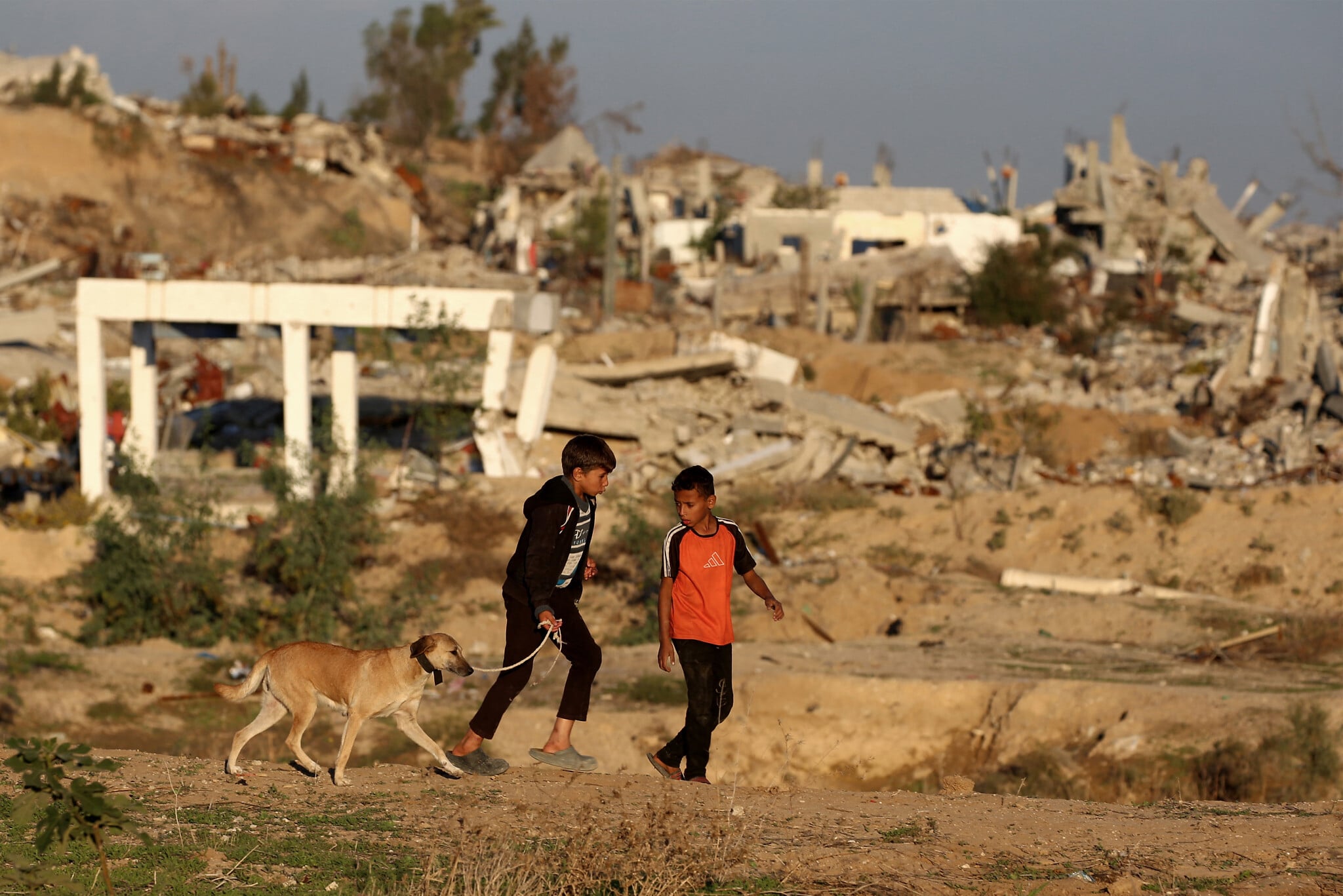
His administration wants the ISF to first deploy along the Yellow Line, which largely stretches from north to south, dividing Gaza in half, with Israel currently in control of the eastern side and Hamas in de facto control of the western side. The ISF will gradually replace the Israel Defense Forces as the Yellow Line is pulled back toward the border with Israel, the US official said, after which the international mission is supposed to be in charge of security for the entire Strip.
Some countries, such as Indonesia and Azerbaijan, have indicated they are willing to contribute troops despite the difficult circumstances in Gaza. However, they have held off on making a formal announcement amid Israel’s refusal to include Turkey in the force.
A Middle Eastern diplomat told The Times of Israel on condition of anonymity that countries considering sending troops believe that Turkey’s inclusion in the ISF will provide an insurance policy. Hamas is seen as less likely to open fire on a force that includes troops from Turkey, a guarantor of the ceasefire deal and is a sponsor of the terror group.
Israel has adamantly rejected any role in the ISF for Turkey due to because its ties to Hamas and because of Turkish leader Recep Tayyip Erdogan’s bitter criticism of Jerusalem and its leadership throughout the war, likening Israel to the Nazis and accusing it of committing genocide in Gaza.
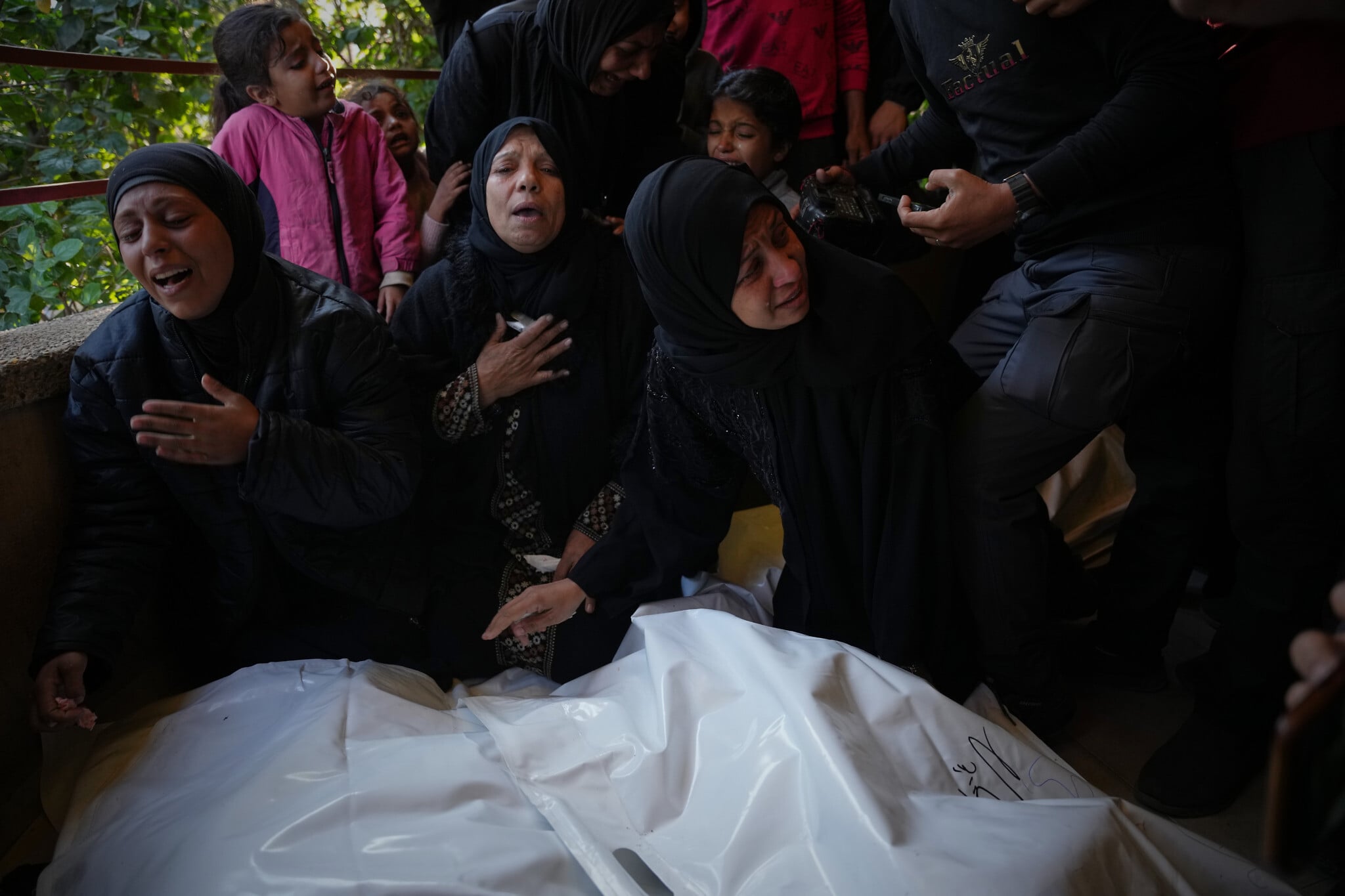
The US official said the Trump administration is still pushing Israel to allow for Turkey to play a role in the postwar management of Gaza and is confident that a number of countries — including Indonesia and Azerbaijan — are still interested in contributing troops to the ISF.
Board of Peace and Palestinian technocrats
While the ISF will be tasked with securing Gaza’s borders, securing the distribution of humanitarian aid and advancing Hamas’s disarmament, a committee of Palestinian technocrats not affiliated with Hamas or Fatah will be tasked with governing the Strip during this transitional period.
As part of the announcement, Trump is slated to name the 12 to 15 members of the technocratic committee, which will be made up of Palestinian experts in business and management who are either currently living in Gaza or originally from there, the US official said.
Ranking above the technocratic government will be an international management board headed by former British prime minister Tony Blair, which will include top Trump aides Jared Kushner and Steve Witkoff alongside other figures. Blair played a key role in crafting Trump’s 20-point plan along with Kushner earlier this year.
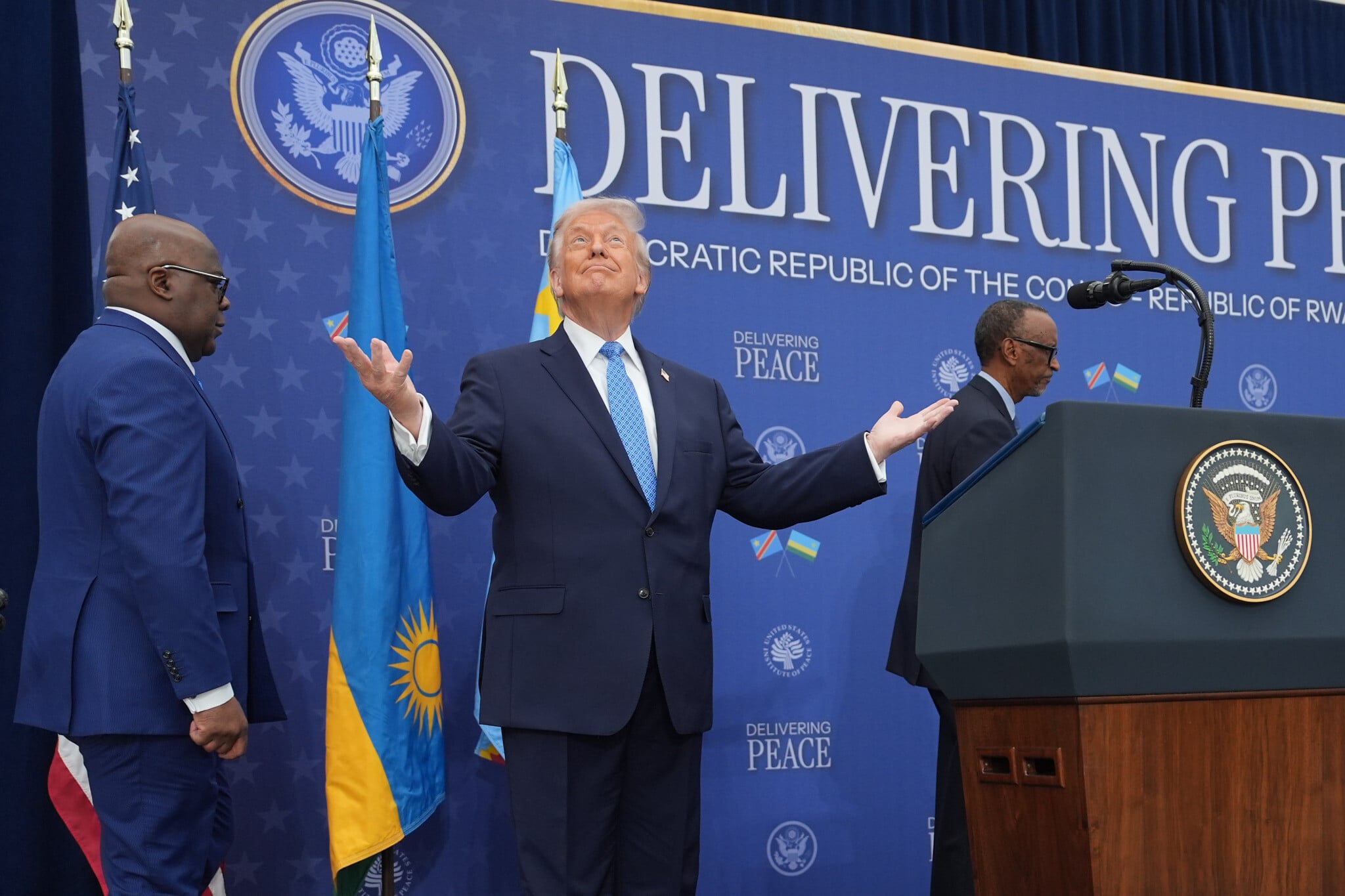
The management board will in turn be overseen by the Board of Peace, which will be led by Trump and include roughly a dozen other world leaders, the American official said, with the US president having declared that he believes Saudi Crown Prince Mohammed bin Salman will be among them.
“In the coming weeks, we will reach the moment of truth. Hamas will have to decide whether to give up its rule and begin disarming in exchange for an IDF withdrawal, or refuse and face the consequences,” a US official was quoted as saying by Channel 12.
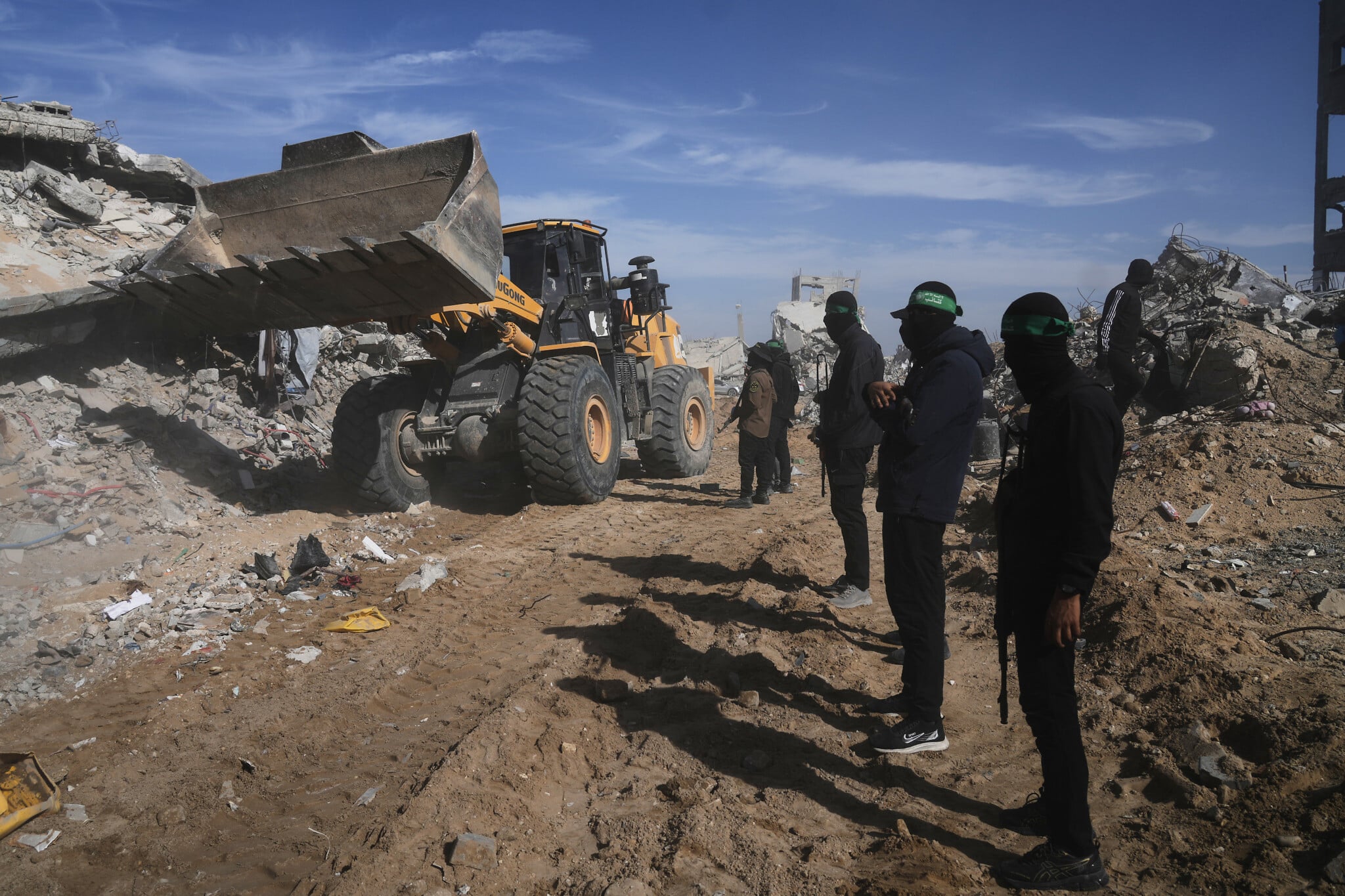
Once these Gaza management boards are established, the US is hoping to start on major reconstruction projects in Gaza.
The US is pushing to begin the rebuilding effort on the half of the Strip currently under Israeli control, but faces pushback from Arab allies and other potential donors who fear that doing so will ingrain the status quo of Gaza being divided. More critically, Israel has pushed back on the notion of allowing the reconstruction of Gaza before Hamas has disarmed and has threatened to resume the war if the terror group does not agree to do so soon.
Israel has also insisted that Hamas finish returning the bodies of all remaining hostages as stipulated in phase one of the ceasefire that both sides signed on October 9. On Wednesday, Hamas returned the remains of Thai national Sudthisak Rinthalak, leaving just one body of a hostage still in the Strip — that of police officer Master Sgt. Ran Gvili, who was killed and abducted while battling terrorists in the border community of Alumim on the morning of October 7, 2023.
Prime Minister Benjamin Netanyahu dispatched an Israeli delegation headed by hostage envoy Gal Hirsch to Cairo on Thursday for talks with mediators aimed at securing Gvili’s release.
An Israeli official told the Ynet news site that Israel is pursuing a lead regarding Gvili’s location, which Jerusalem believes is in central Gaza, on the Hamas-controlled side of the Strip. The official acknowledged that Hamas has exerted efforts to locate hostages’ remains thanks to pressure from mediators but claimed the terrorist organization could still be doing more. The official said that Israel is hoping to retrieve his body quickly but acknowledged that it may take time.
Hostage family forum organizes smaller weekend protests at Gvili family’s request
More than a dozen smaller protest events are planned throughout Israel this weekend in support of Gvili’s family.
The Hostages and Missing Families Forum has held rallies for the hostages on most Saturday nights for the last two years. With the burial of Dror Or and the return of Sundthisak Rinthalak’s body on Wednesday, the Gvili family decided it was time to halt the main rally and create other gatherings.
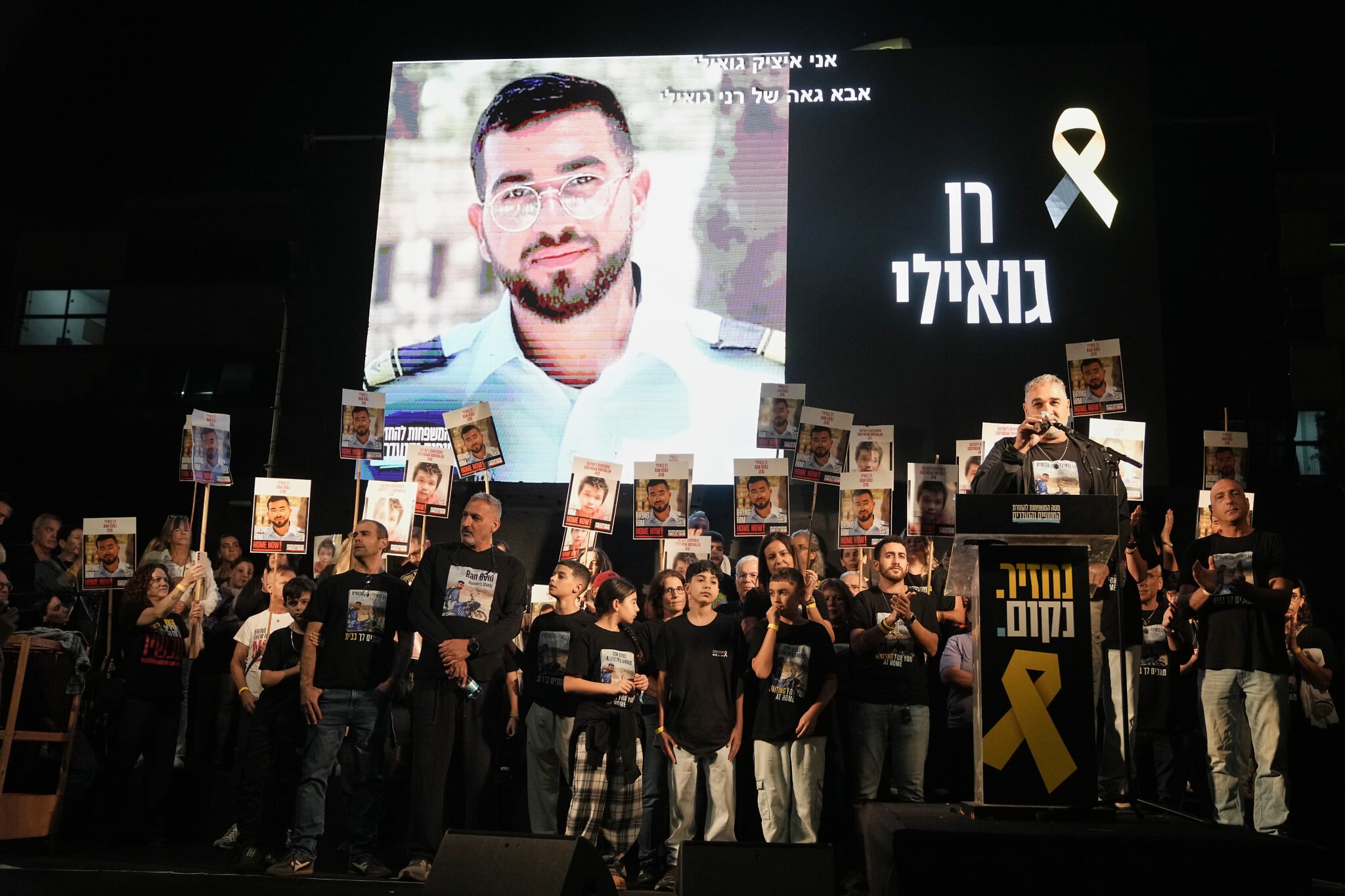
A rally in support of the Gvili family will be held at the entrance to Meitar, the southern community where the Gvili family lives, on Saturday night.
There will also be a rally in Shaar Hanegev, while the Nir Oz community will gather in Carmei Gat on Saturday night, with former hostages and hostages’ families participating.
Around the country, communities are gathering on Friday and Saturday night, including in Eilat, in the Upper Galilee, Zichron Yaakov.
Sit-ins and flag marches will be held around the country on Friday and Saturday, and Shabbat services will be held in Hostages Square and in the town of Yavne on Friday afternoon.
In Jerusalem, where the official Hostages’ Forum tent was dismantled last week, the Safeguarding our Shared Home protest group that helped organize the hostages’ rallies is returning to a Saturday night march called “Jerusalem in the Streets for Israel,” from Aza Road to the President’s Residence, the site of the protests held against the judicial overhaul prior to October 7, 2023.
Jessica Steinberg contributed to this report.