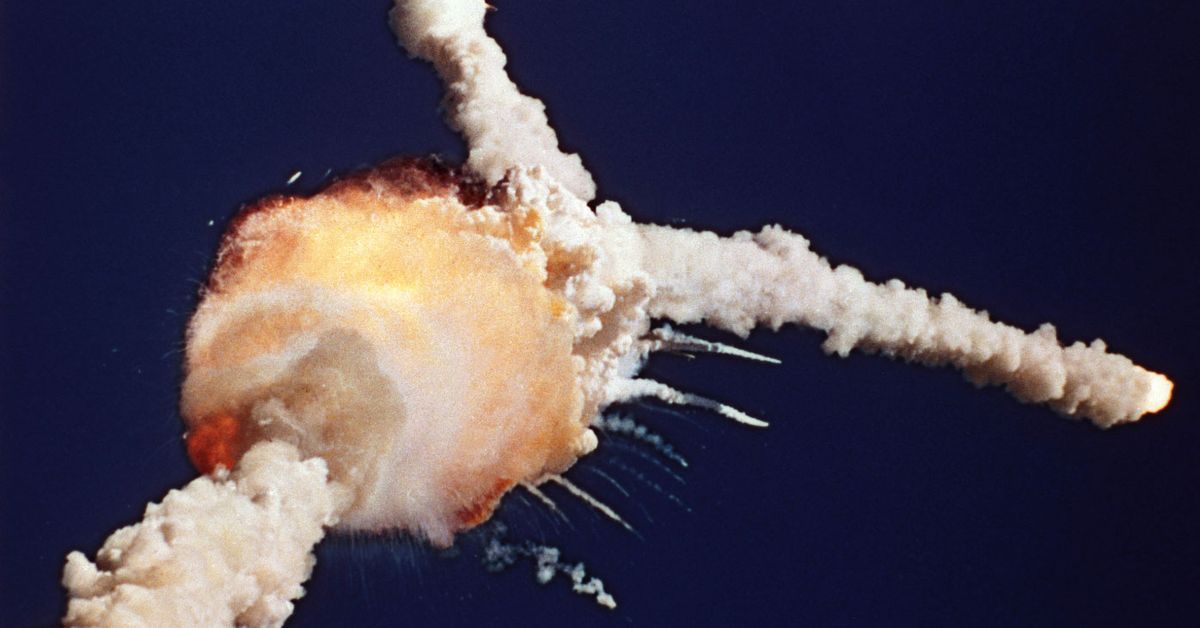
The massive rubber rings were intended to contain the hot gases caused by burning rocket fuel.
But the stark temperature changes from a profoundly cold morning to the white-hot heat of take-off caused the O-rings to fail.
Before that day’s launch, the coldest takeoff had taken place on a 12-degree day. When the Challenger launched, it was -3 degrees.
Engineers were concerned about the effect of the cold weather on the rubber rings, but NASA pushed to launch the space shuttle anyway.
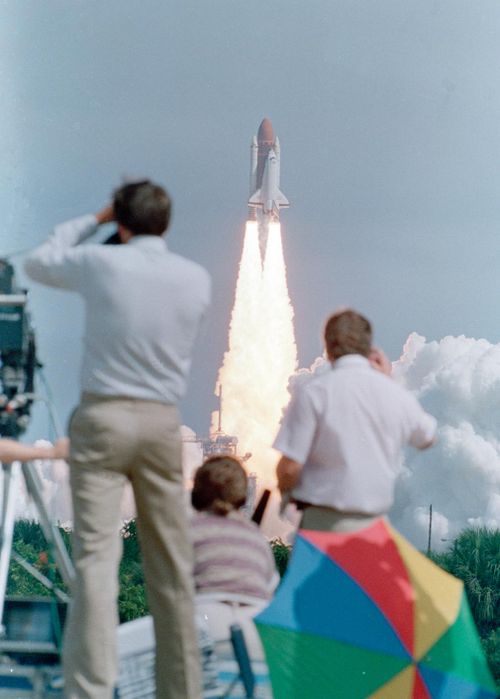
Part of the pressure to launch on that day was a scheduled broadcast of the takeoff being shown in schools across America.
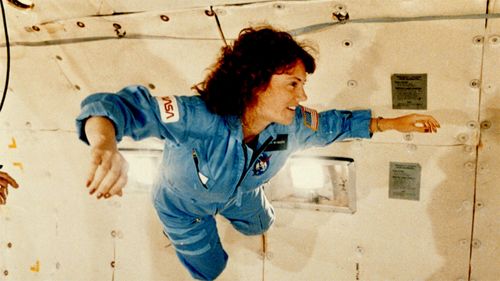
For the first time a teacher was being sent to space.
Christa McAuliffe was selected out of 11,000 applicants as part of the Teacher in Space program.
McAuliffe was chosen so she could communicate with students in space.
But the program was not the original plan.
As a way to educate and engage with young children, NASA considered launching the Sesame Street character Big Bird into space.
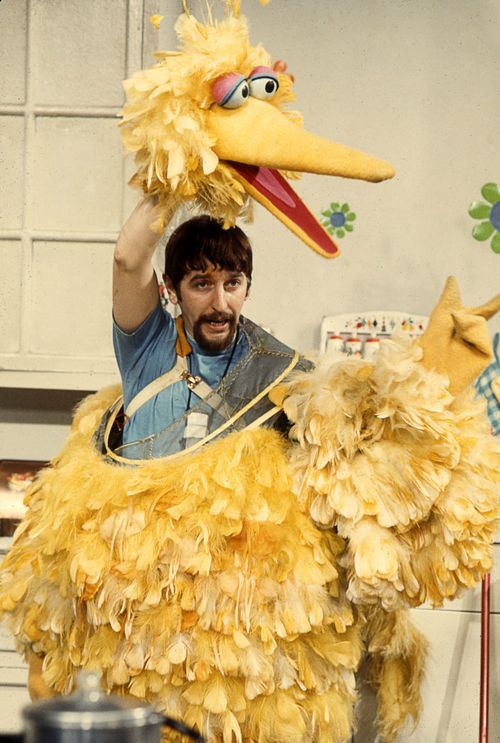
“There wasn’t enough room for the puppet in the end, and I was replaced by a teacher.”
An estimated 2.5 million school children watched the Challenger blow up.
Though it was not apparent at the time, a study found at least some of the astronauts survived the initial explosion.
“The crew of the space shuttle Challenger honoured us by the manner in which they lived their lives.
“We will never forget them, nor the last time we saw them, this morning, as they prepared for their journey and waved goodbye and slipped the surly bonds of earth’ to touch the face of God.”
There were no further manned flights until September 1988.
NEVER MISS A STORY: Get your breaking news and exclusive stories first by following us across all platforms.