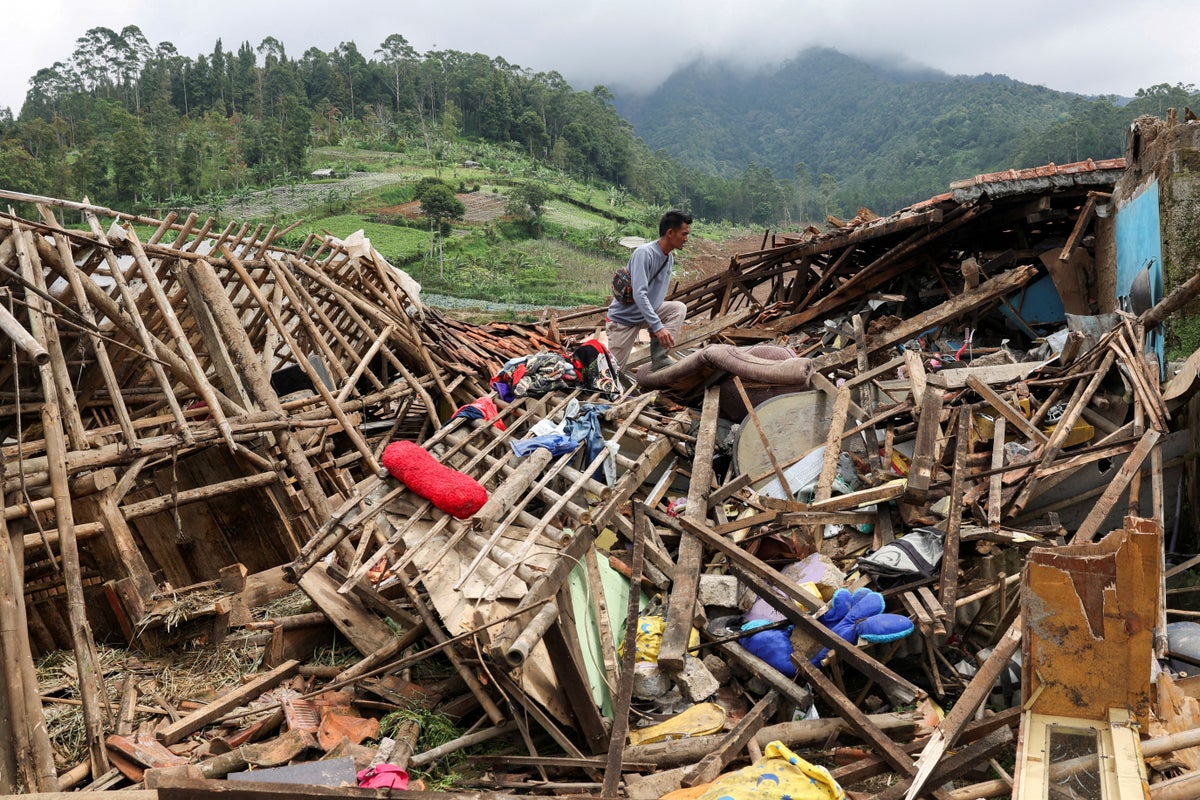
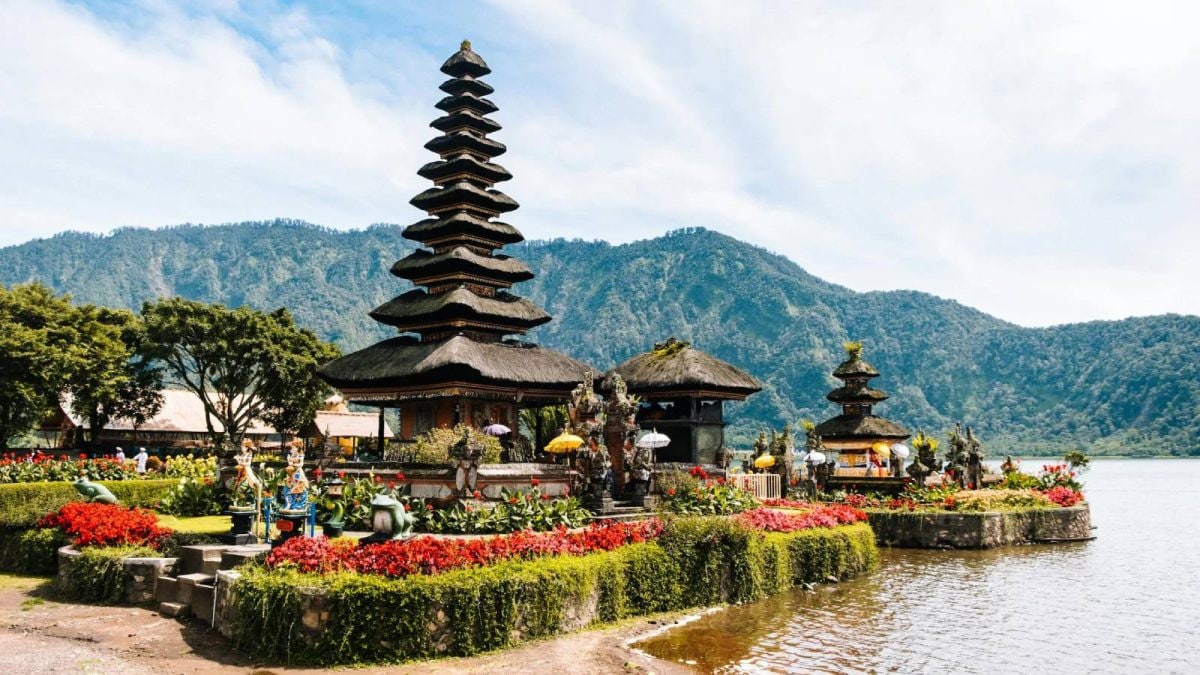
Most nations designate a single city as their capital, the hub for government, judiciary, and national decision-making. Yet, a handful of countries break this convention by dividing their capitals based on political, judicial, economic, or cultural functions. Some even maintain multiple capitals for historical reasons, while others are building new ones to meet modern challenges.
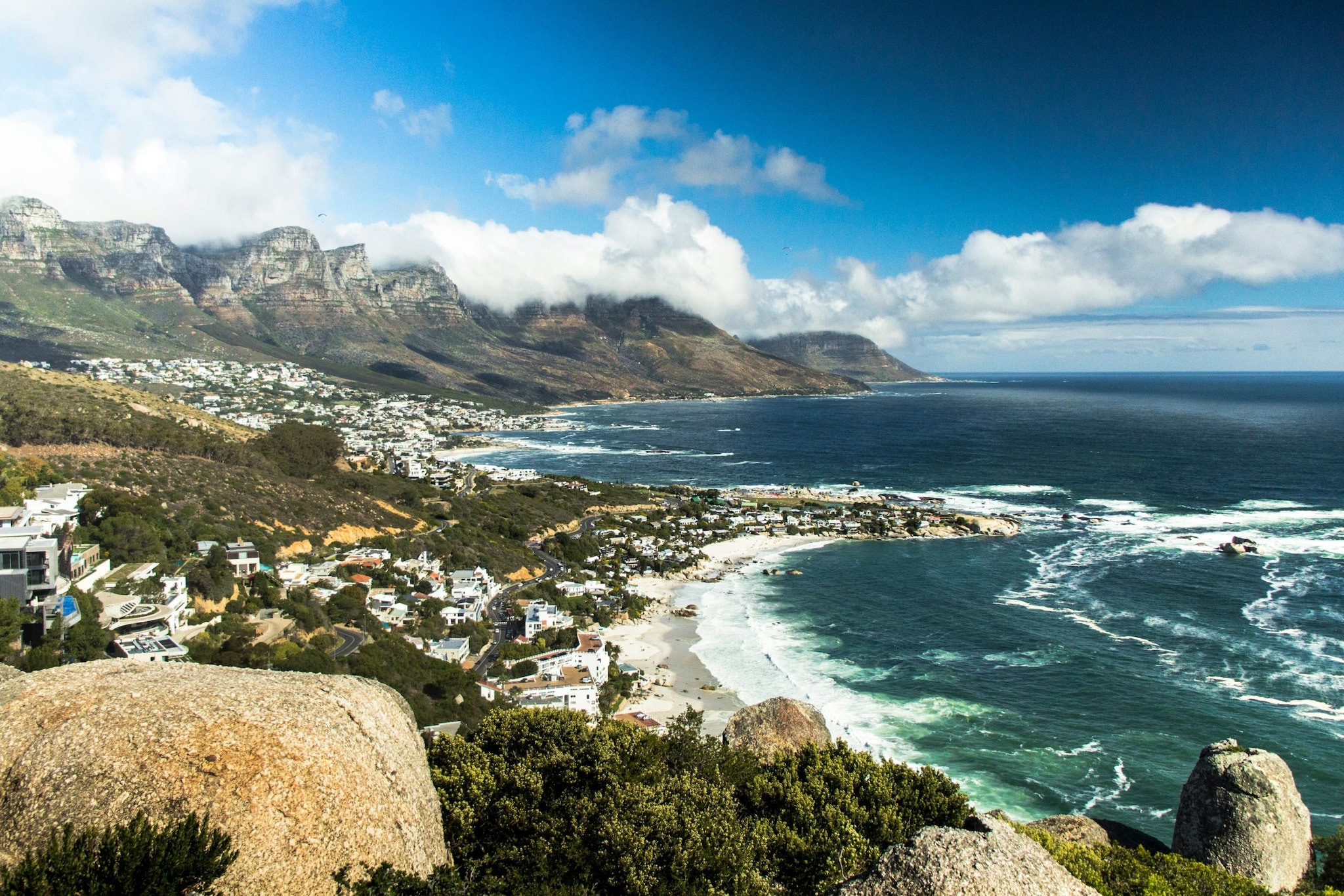
South Africa: South Africa is the only country in the world with three official capitals. Pretoria serves as the administrative capital, housing the President and government ministries. Cape Town is the legislative capital, home to the national Parliament. Bloemfontein completes the trio as the judicial capital, hosting the Supreme Court of Appeal. (Image: Pexels)
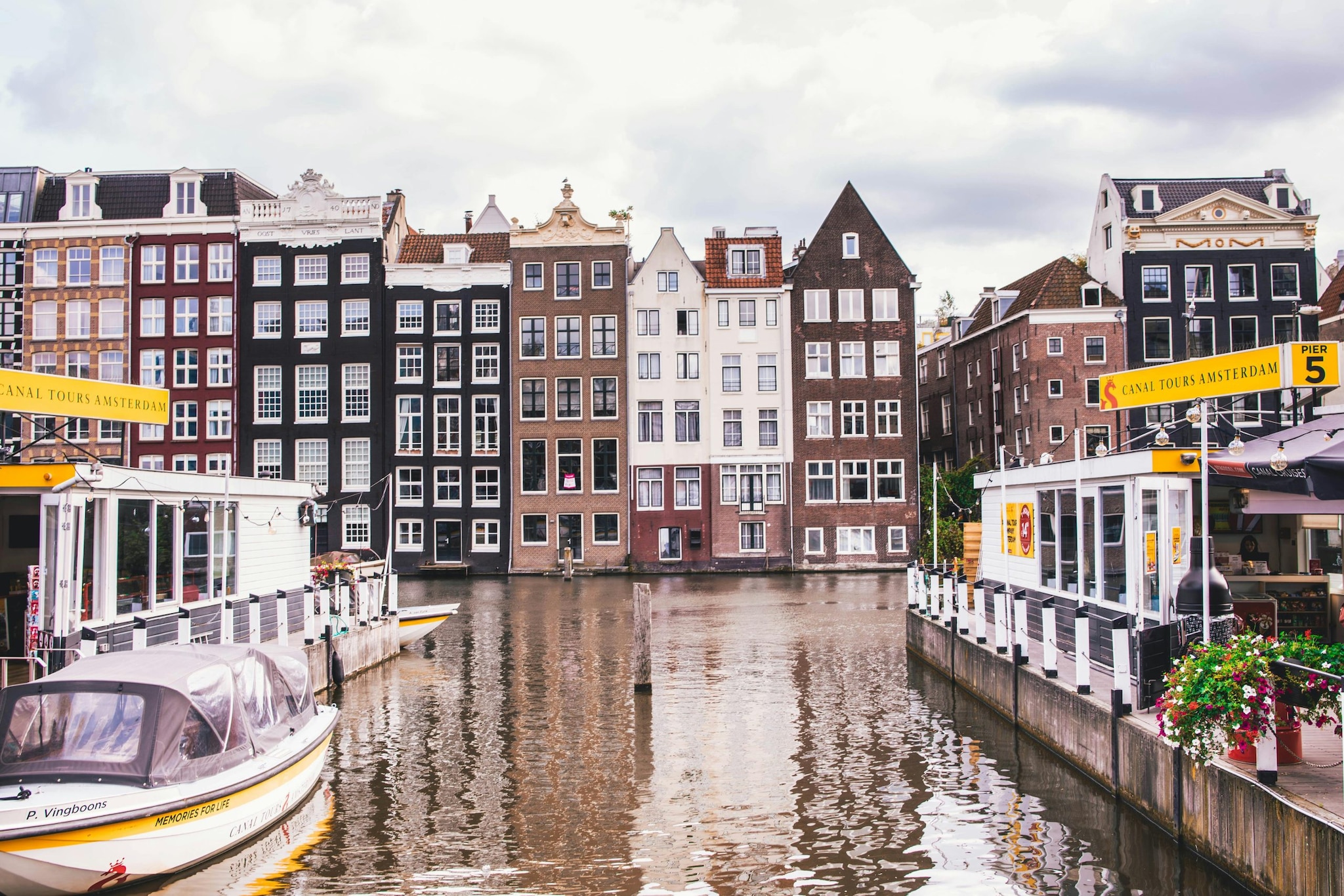
The Netherlands: The Netherlands divides its capital functions between two cities. Amsterdam is the official capital, representing the nation’s culture, history, and royal ceremonies. The Hague, however, is the administrative capital, where the government, parliament, and Supreme Court are located. (Image: Pexels)
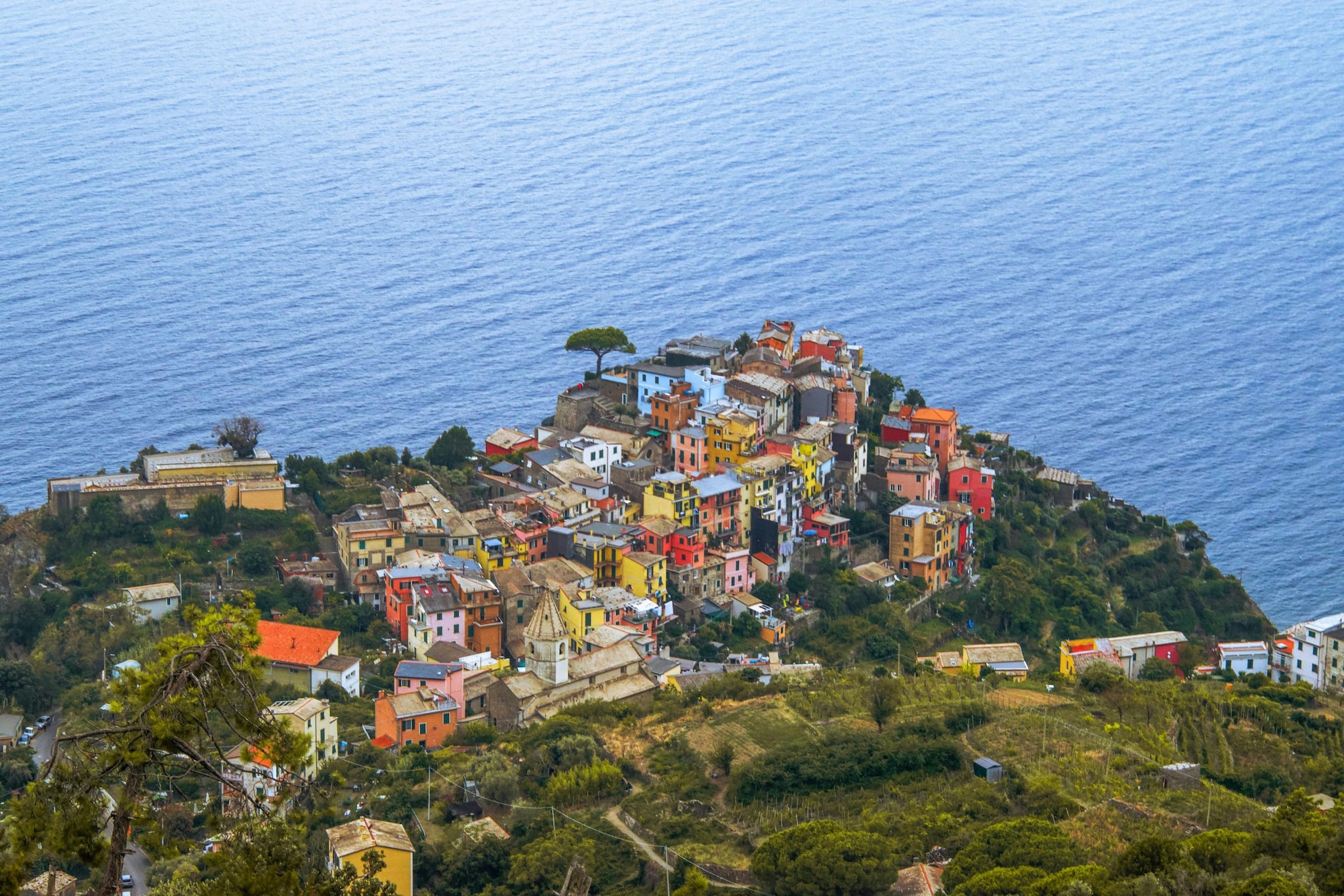
Burundi: Until 2018, Bujumbura was Burundi’s sole capital. That year, the government shifted its political capital to Gitega, which now houses the President and administrative offices. Bujumbura remains the country’s largest city and commercial hub, serving as the economic capital. (Image: Pexels)
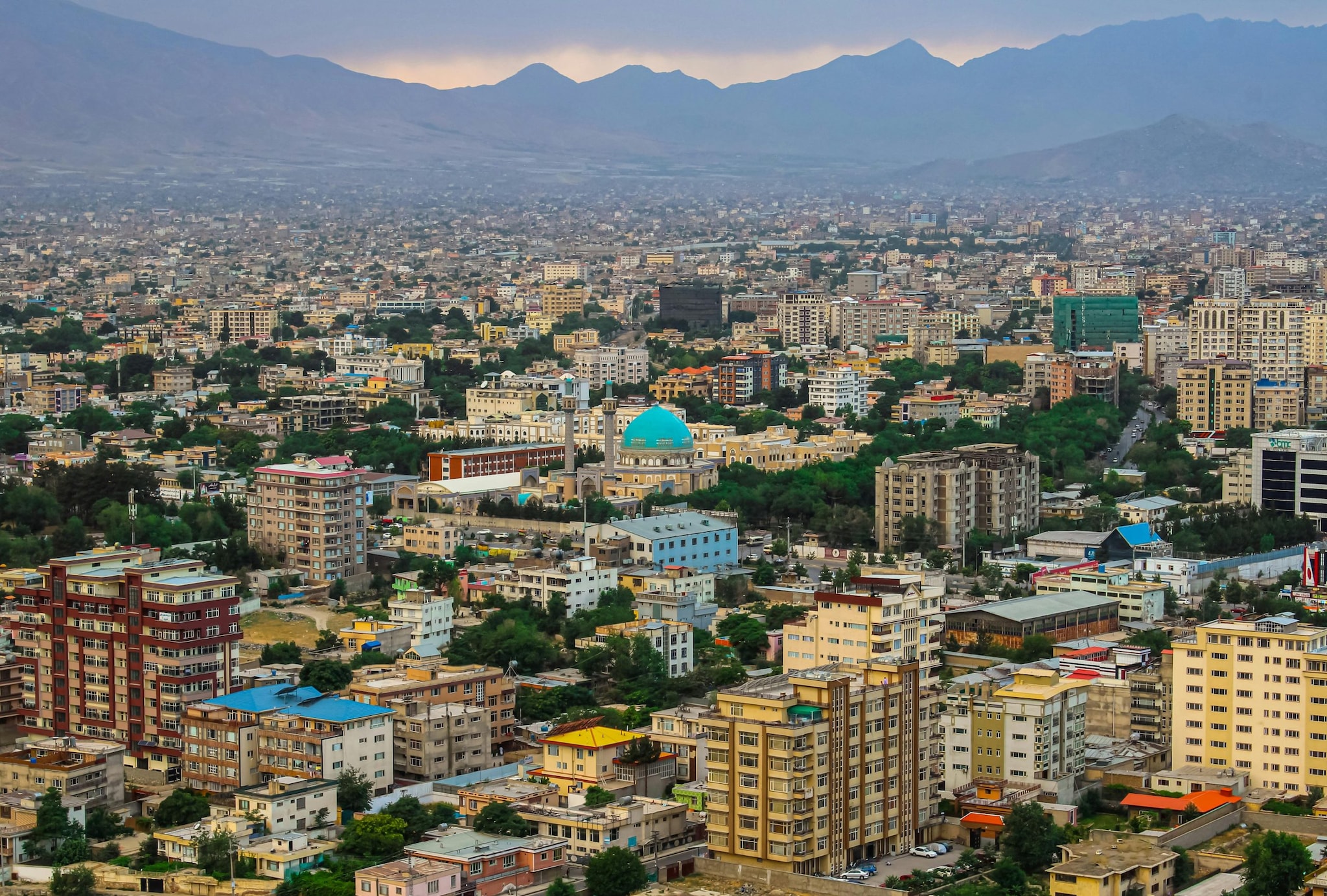
Afghanistan: Kabul is Afghanistan’s official capital, home to the government, parliament, and foreign embassies. Kandahar, however, is often referred to as the historical and spiritual capital, recognized as the birthplace of the Taliban and a city of deep cultural significance. (Image: Pexels)
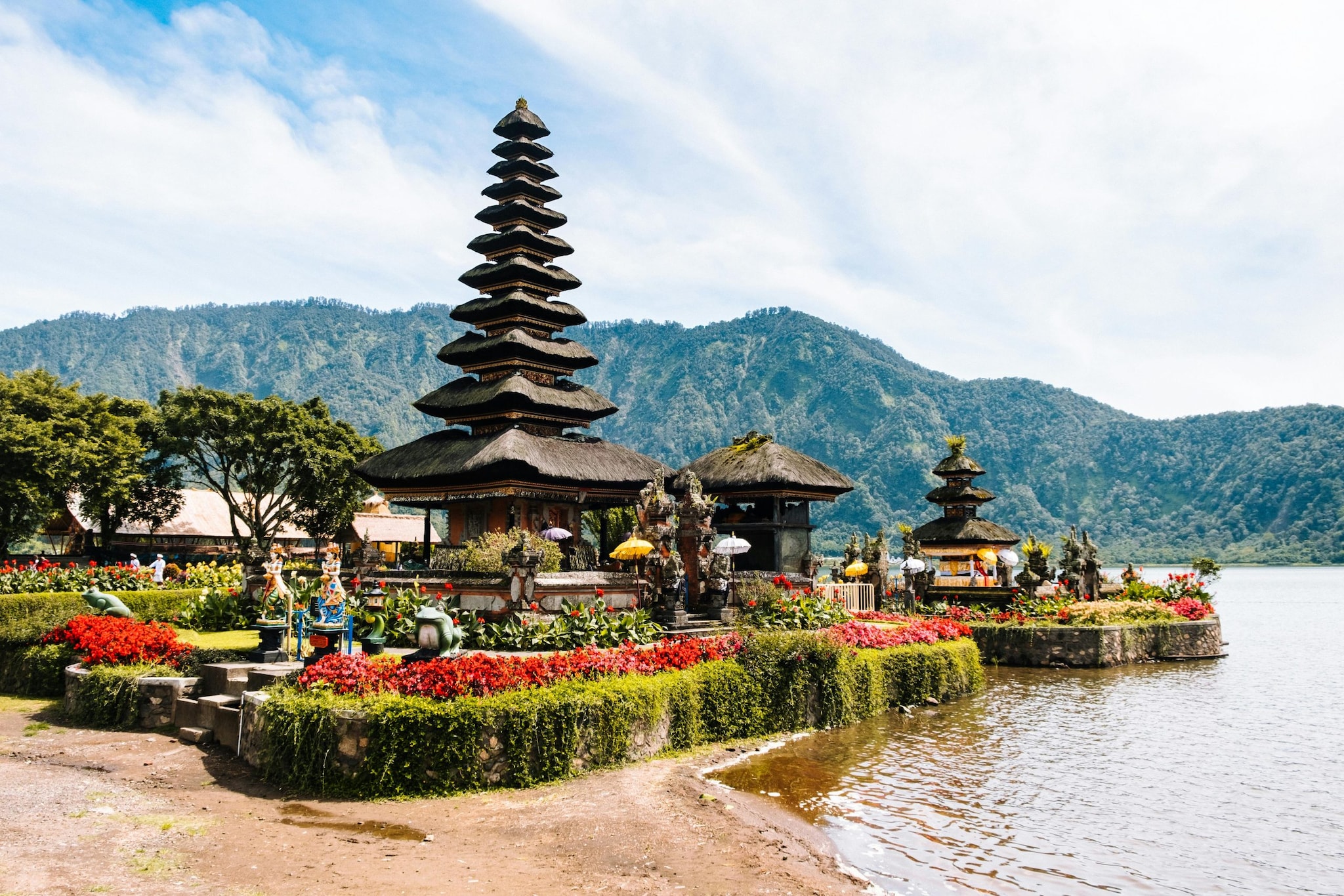
Indonesia: Jakarta is currently Indonesia’s capital, serving as the political, economic, and cultural center. In 2022, the government announced plans to build Nusantara, a new capital city under construction, intended to ease Jakarta’s congestion and environmental challenges. (Image: Pexels)
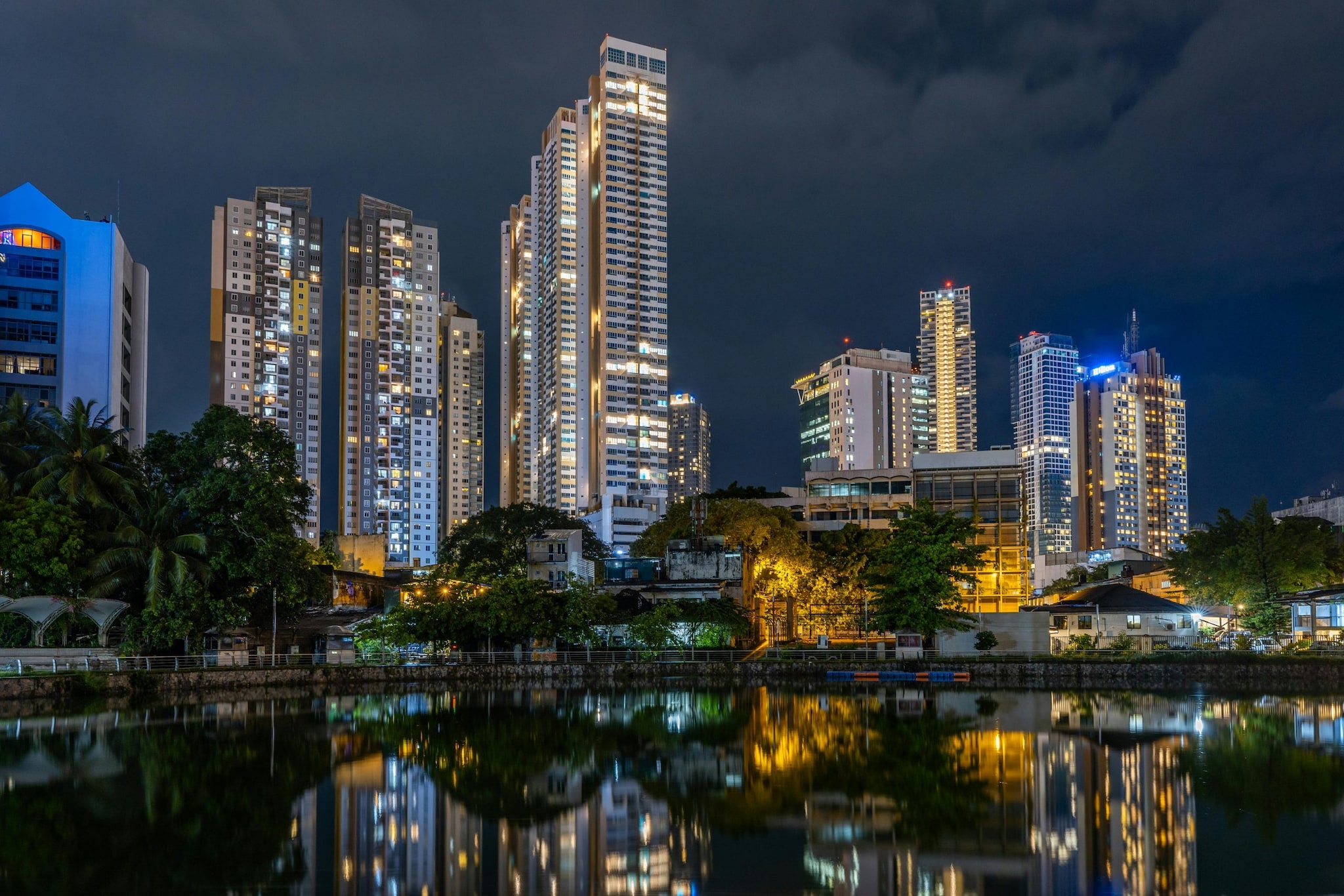
Sri Lanka: Sri Jayawardenepura Kotte, often shortened to Kotte, is Sri Lanka’s official capital and houses the Parliament. Colombo, meanwhile, remains the country’s economic powerhouse and continues to host the President’s office, ministries, and embassies. (Image: Pexels)
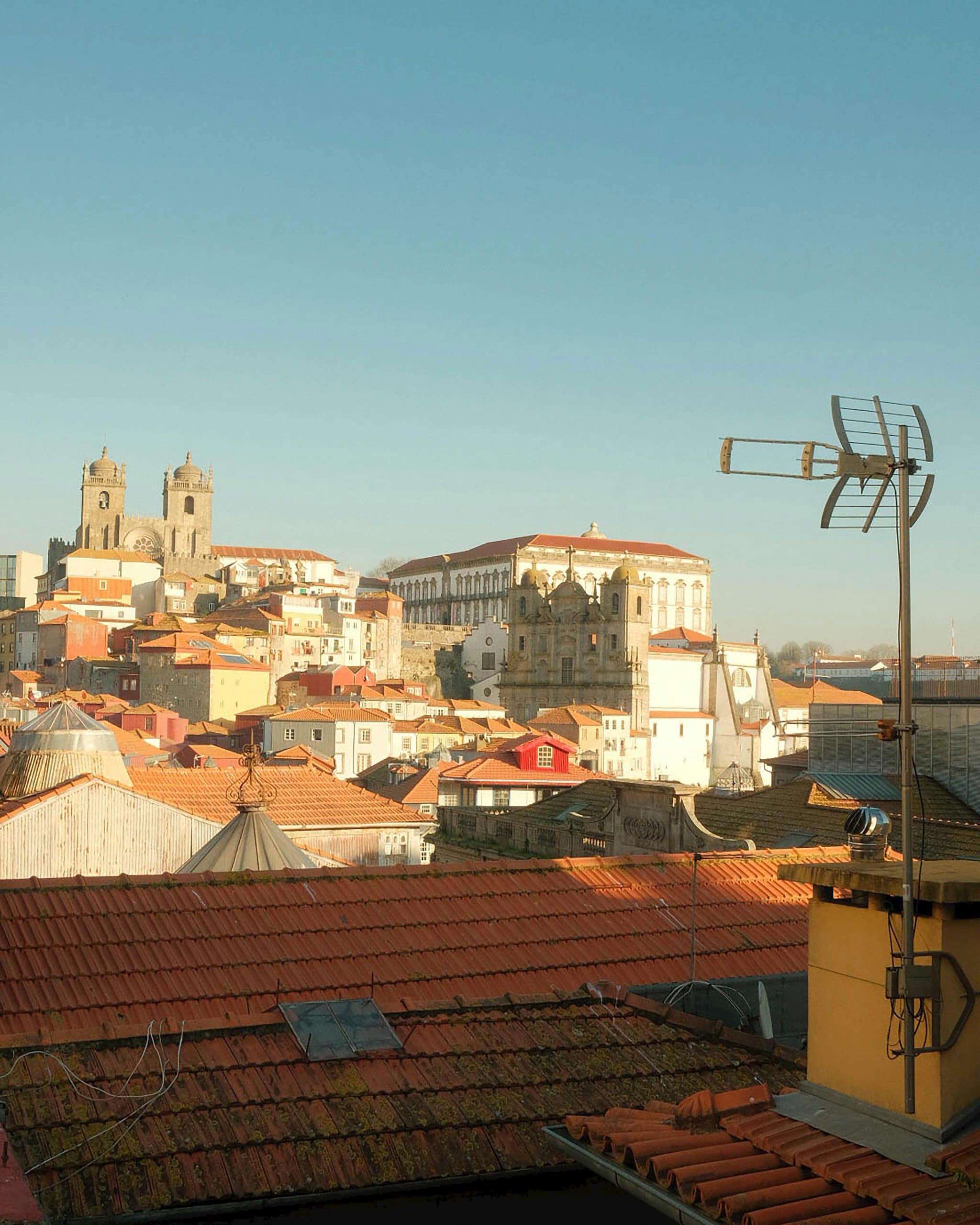
Benin: Porto-Novo is Benin’s official capital, chosen for its historical and symbolic importance. In practice, however, most of the country’s power lies in Cotonou, the largest city, which hosts the President’s office, ministries, embassies, and the busiest port. (Image: Pexels)
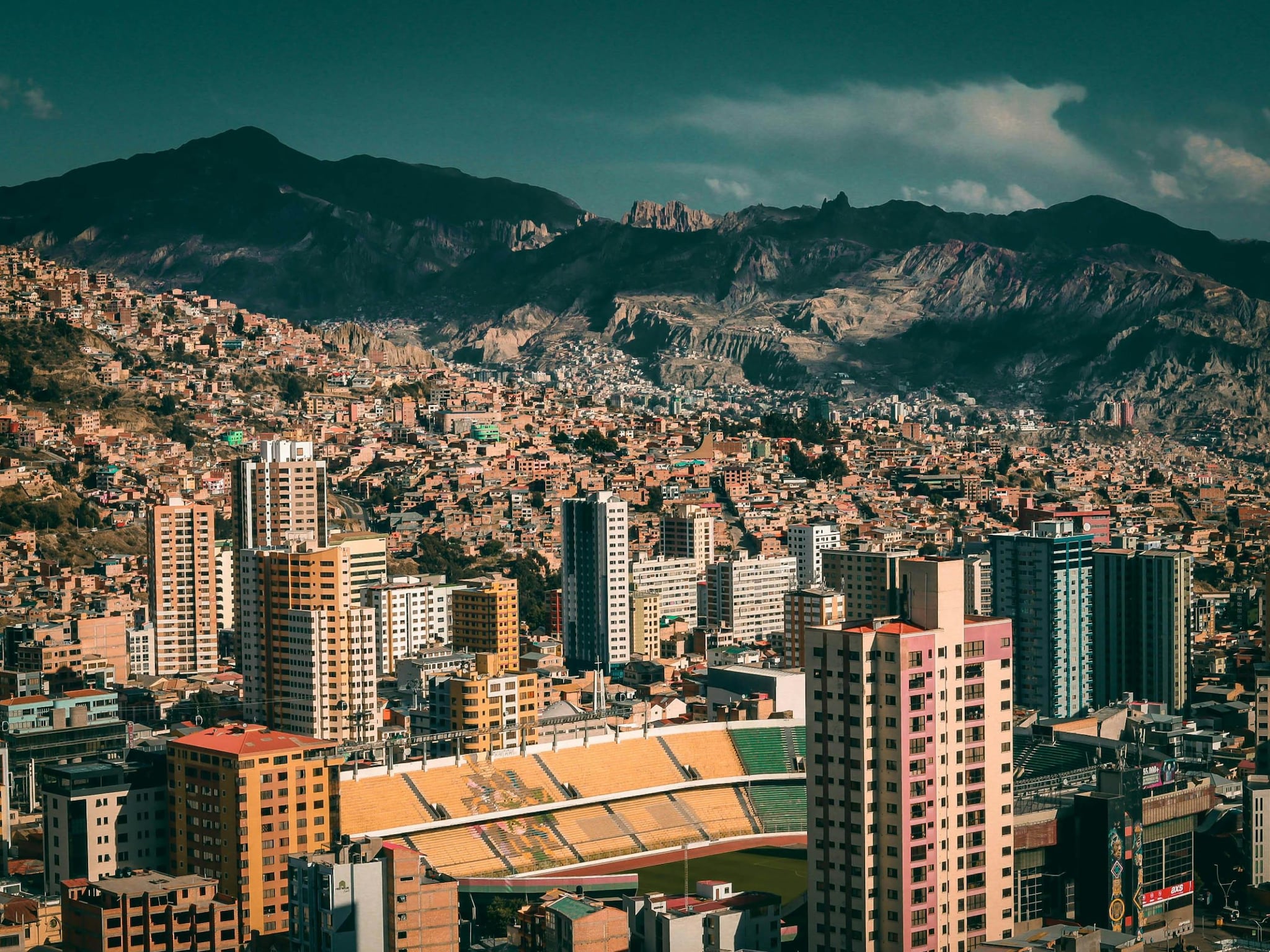
Bolivia: Bolivia is one of the few countries with two constitutional capitals. Sucre is the judicial capital, home to the Supreme Court. La Paz functions as the administrative capital, housing the government, parliament, and presidential palace. (Image: Pexels)
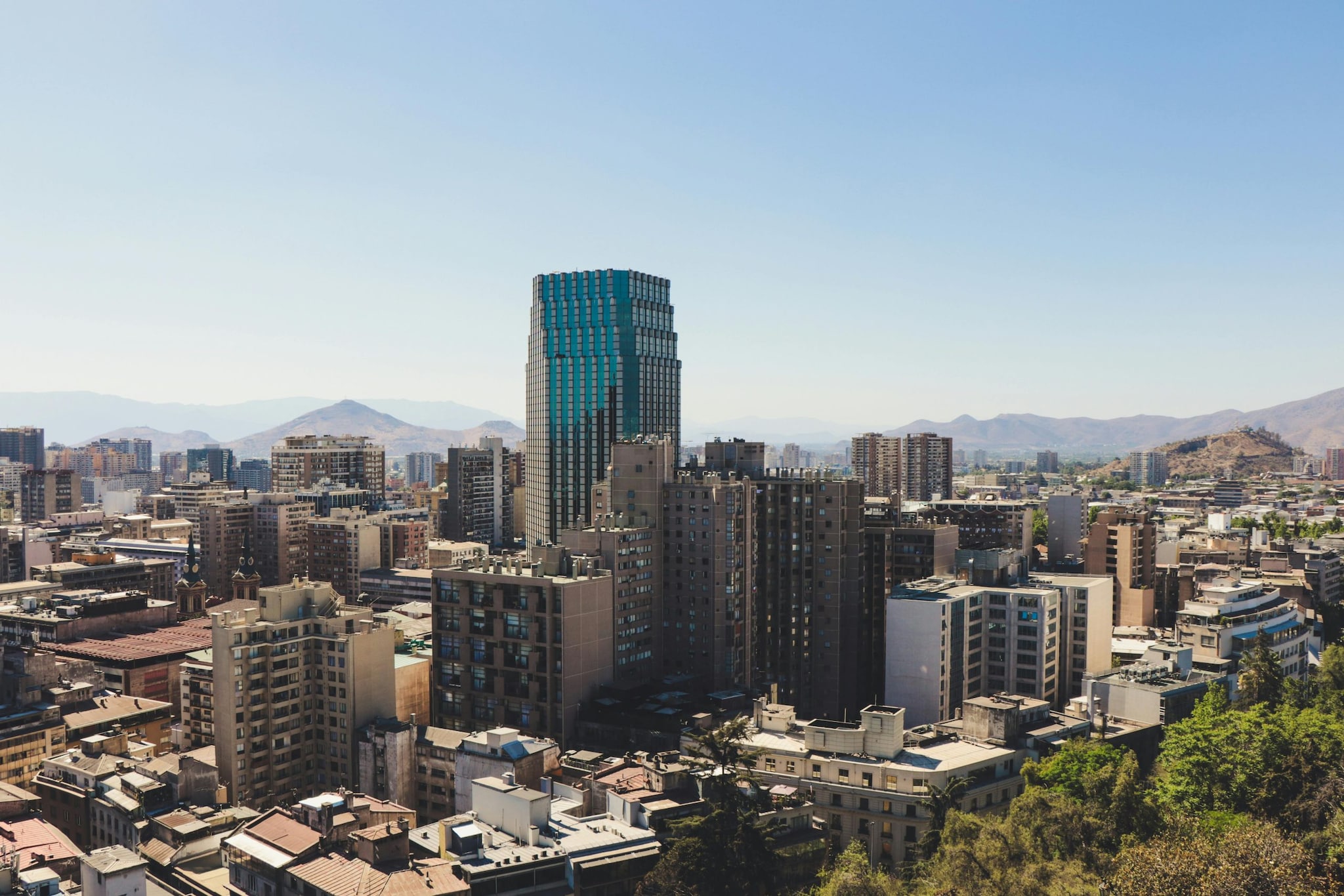
Chile: Chile has one official capital, Santiago, which hosts the presidential palace, Supreme Court, ministries, and embassies. However, its National Congress convenes in Valparaíso, effectively making it the legislative capital. (Image: Pexels)
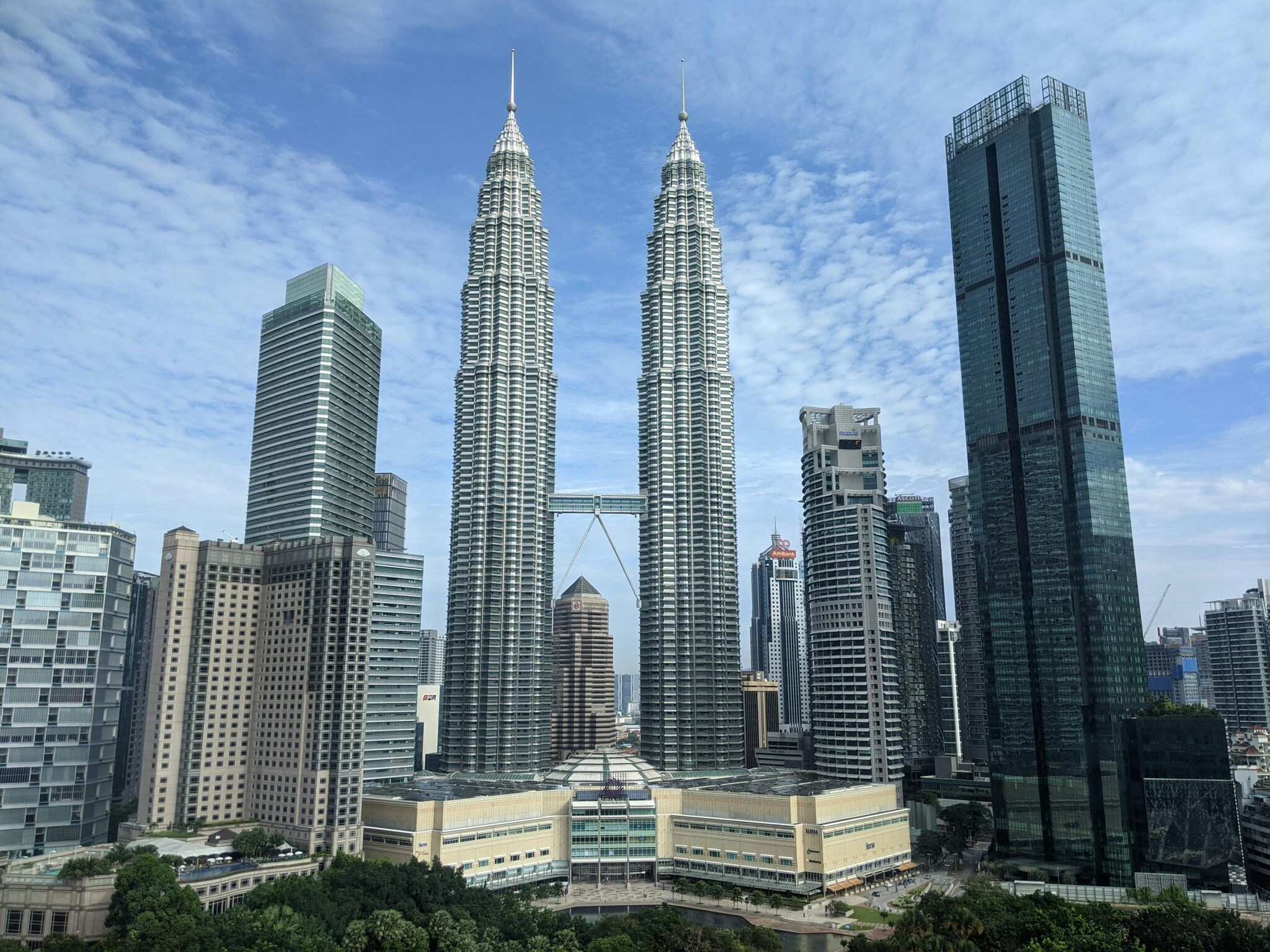
Malaysia: Before 1999, Kuala Lumpur was Malaysia’s sole capital. To reduce congestion, the government introduced Putrajaya as the administrative capital. Today, Kuala Lumpur remains the cultural and commercial hub, while Putrajaya houses the Prime Minister’s office and key ministries. (Image: Pexels)
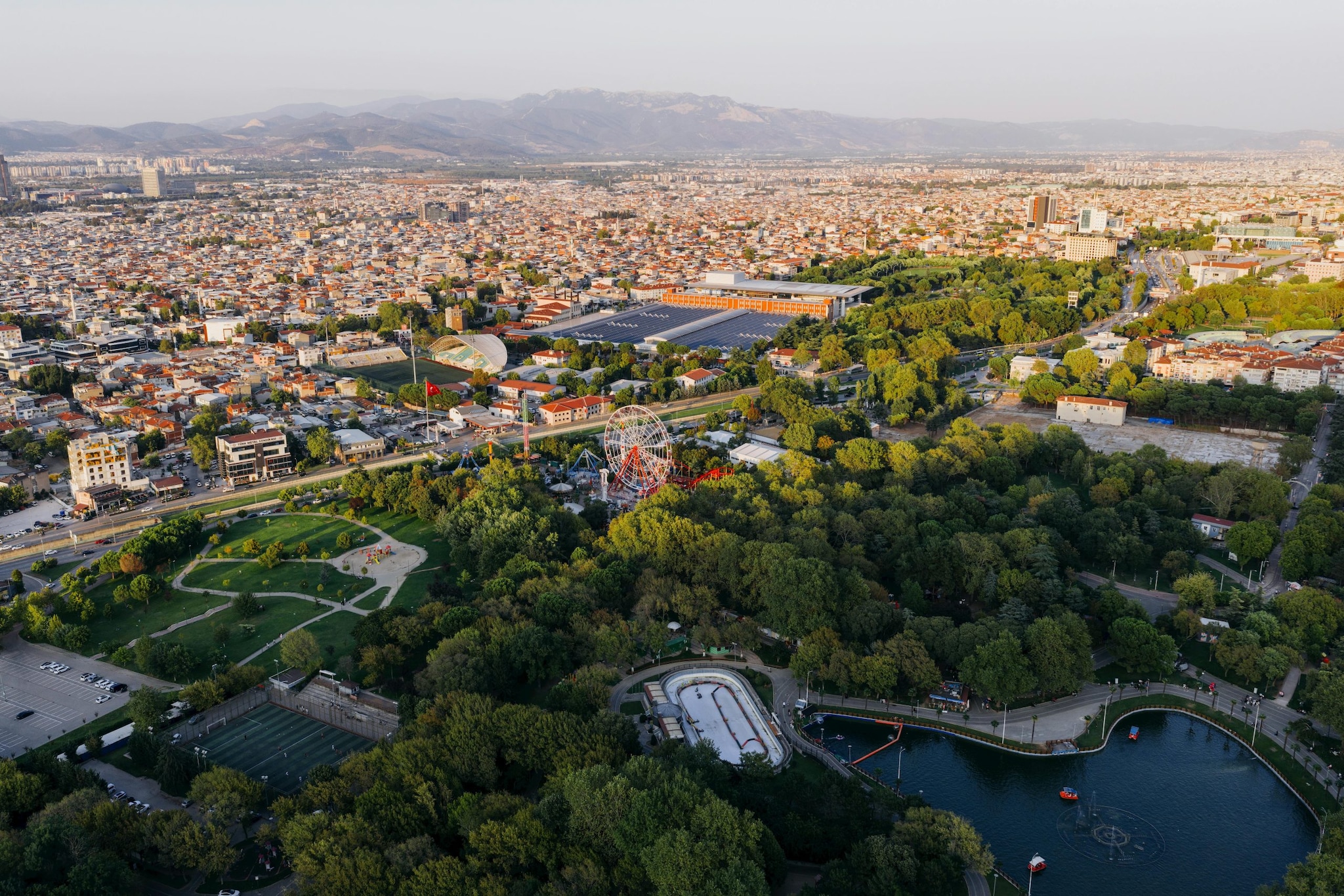
Eswatini: Eswatini operates with two capitals. Mbabane is the administrative capital, home to government offices and embassies. Lobamba serves as the legislative and royal capital, housing Parliament and the royal residences. (Image: Pexels)
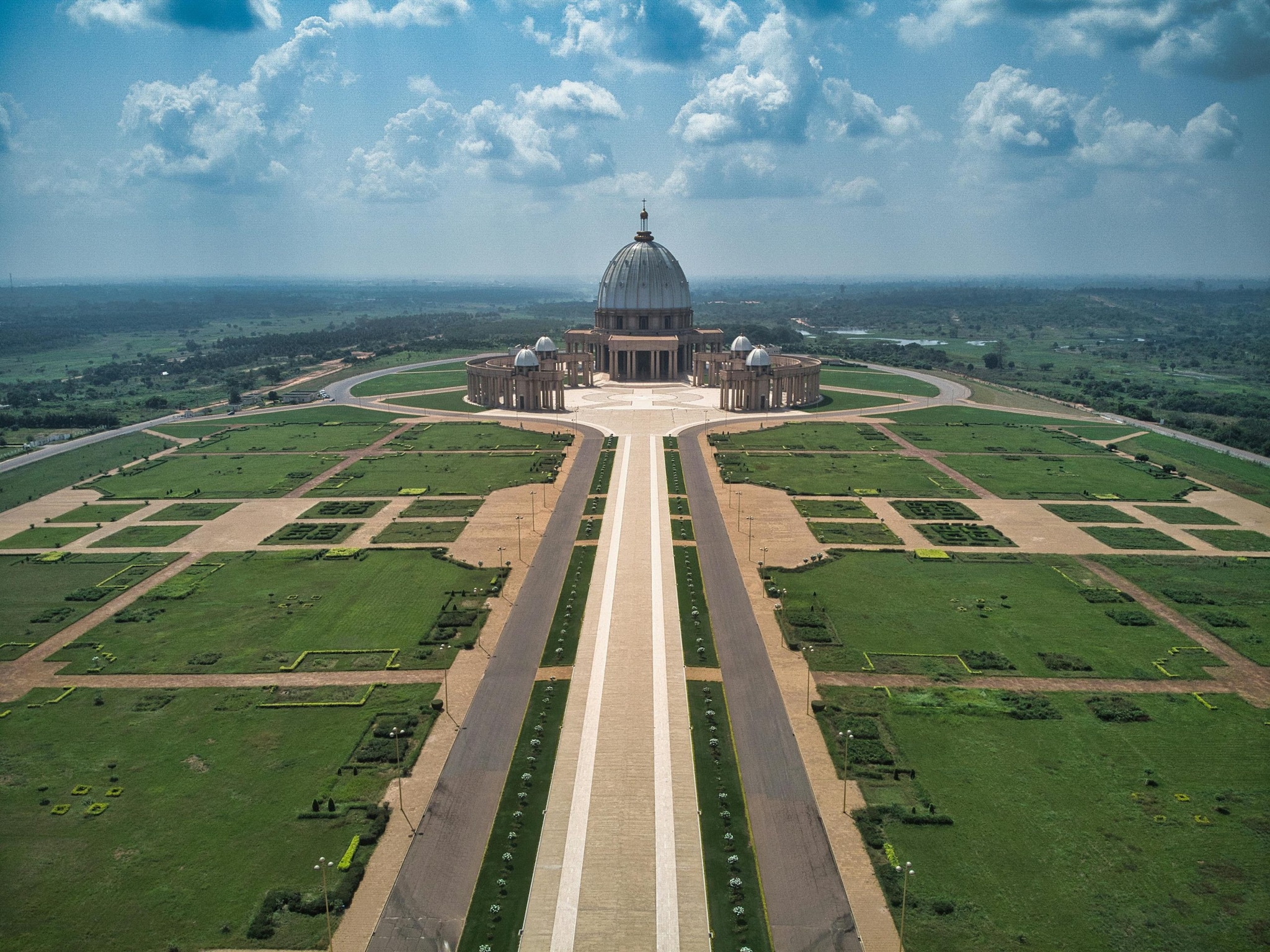
Ivory Coast: Yamoussoukro was designated the official capital to honor the birthplace of the country’s first president. It hosts the Presidential Palace and National Assembly. Abidjan, however, remains the economic capital, with ministries, embassies, businesses, and the stock exchange. (Image: Pexels)